Madlanga Commission hearing record
Day 66 of the Madlanga Commission
Witness: Lieutenant-General Shadrack Sibiya
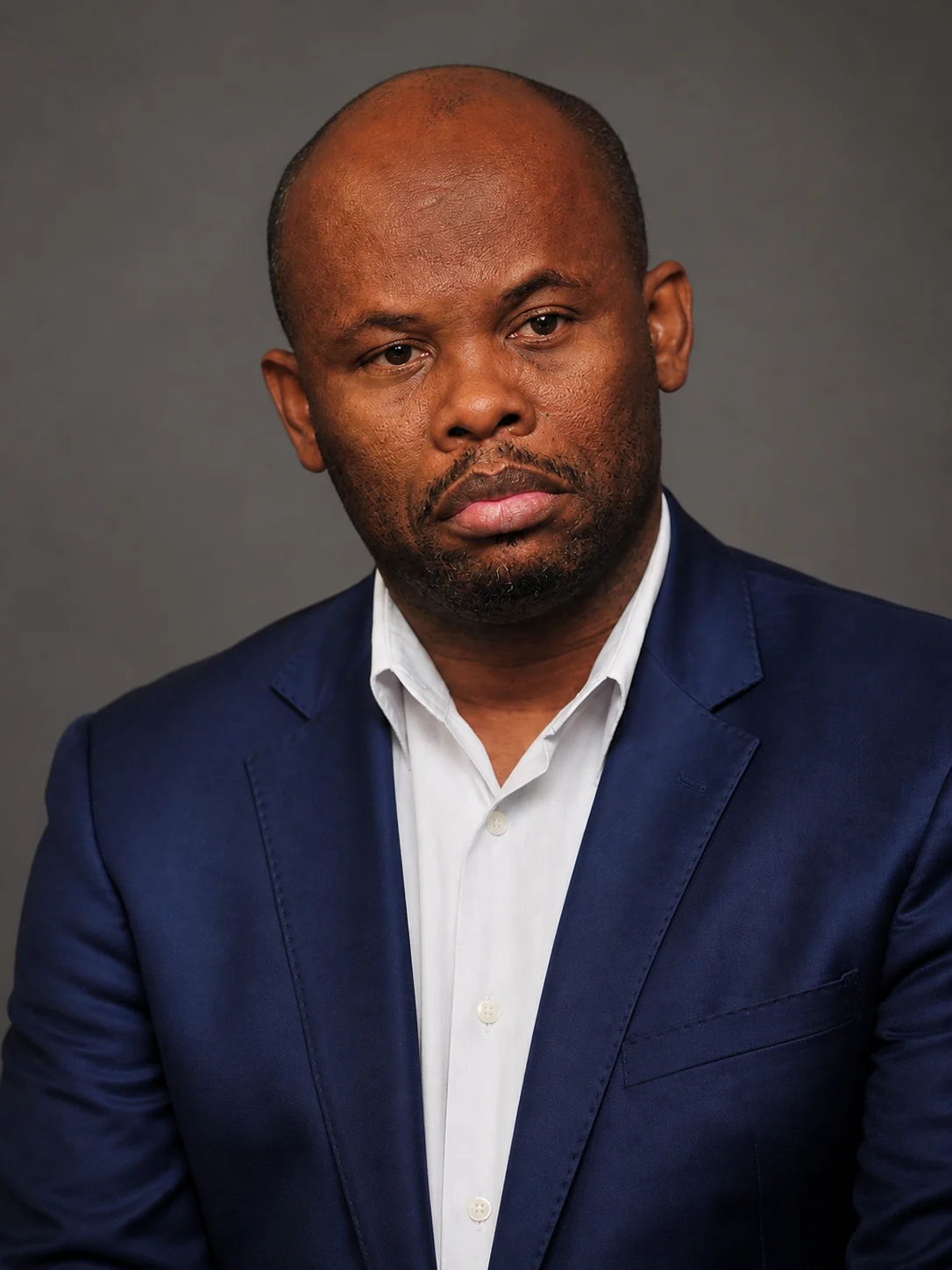
Suspended Deputy National Police Commissioner Lieutenant-General Shadrack Sibiya was the primary witness, giving evidence on the crime-detection portfolio he headed before his suspension and defending the winding-down of the Political Killings Task Team that Lieutenant-General Nhlanhla Mkhwanazi had publicly alleged was improper.
The day in brief
What you need to know
- The archive records suspended Deputy National Police Commissioner Lieutenant-General Shadrack Sibiya as the primary witness on the crime-detection portfolio he led before his suspension.
- His evidence centred on the disbandment of the Political Killings Task Team (PKTT), the unit whose winding-down Lieutenant-General Nhlanhla Mkhwanazi alleged was improper.
- According to coverage of his testimony that fortnight, Sibiya defended the decision, telling the commission he exercised his discretion as the police's top detective.
- Sibiya reportedly conceded that he took control of PKTT dockets, including matters already on the court roll - an admission evidence leaders pressed him on hard.
- He has consistently denied authorising the disbandment improperly and denies the corruption and collusion allegations levelled against him.
- Mkhwanazi named Sibiya among senior officers he alleged interfered with investigations; Sibiya and former police minister Senzo Mchunu were both named in connection with weakening the task team.
- All allegations are untested. Sibiya is presumed innocent and has not been convicted of any offence.
Full coverage
The day, in depth
Defending the PKTT disbandment
IOL reported that Sibiya defended the disbandment of the Political Killings Task Team, saying he acted within his discretion as head of crime detection. He maintained that he did not authorise the disbandment in the improper manner alleged and rejected the suggestion that the decision was designed to shield anyone.
Dockets and cross-examination
The Sowetan and Daily Maverick reported that under cross-examination Sibiya faced sustained questioning over taking custody of PKTT dockets and how they were handled after he did so. Daily Maverick characterised the cross-examination as fierce, with evidence leaders putting it to him that live matters stalled while the dockets sat with him.
What the allegations are
Mkhwanazi has alleged that senior officers, including Sibiya, interfered with sensitive investigations and that the PKTT was weakened in ways that benefited criminal networks. Sibiya rejected that characterisation. The allegations remain untested and he is presumed innocent.
Our analysis
The bottom line
The Sibiya evidence sits at the intersection of the commission's two central questions: whether the machinery of policing was deliberately reorganised, and, if so, in whose interest. On the record the dispute is narrow and factual - who authorised the PKTT's disbandment, on what document, and what became of the dockets - but its implications are wide, because that unit's cases touch the political-killings and cartel strands the commission is mandated to examine.
A reader should hold two things at once. Sibiya's reported admissions about controlling dockets are significant testimony, but an admission that dockets sat in his office is not, by itself, proof of the corrupt purpose alleged against him; intent is exactly what remains contested and untested. Later reporting that evidence leaders decided not to recall him suggests they felt they had extracted what they needed, not that the underlying questions are settled.
For this archive the durable point is the convergence of names - Sibiya, Mkhwanazi, Mchunu - on a single administrative act. Fair comment can note how much turns on paperwork and discretion; it cannot, and does not, pronounce guilt.
Analysis is the archive’s own comment on the public proceedings, grounded in the record above. It weighs the evidence and the process; questions of individual guilt are for the courts and the commission to decide. Everyone named is presumed innocent.
Follow the threads
Who Lieutenant-General Shadrack Sibiya connects to
Stuart James Scharnick
Crime Intelligence head Lieutenant-General Dumisani Khumalo told the commission in November 2025 that Scharnick acted as Sibiya's personal protector while not employed by the SAPS, and that Sibiya frequently used a vehicle Scharnick owned. Sibiya has said he did not know Scharnick had had run-ins with the law; Scharnick denies being a bodyguard and says he lent Sibiya an armoured vehicle after the police withdrew his protection. Untested; both presumed innocent.
View profile →Subject of his allegationsLieutenant-General Nhlanhla Mkhwanazi
Mkhwanazi named Sibiya among the senior officers he alleged interfered with investigations.
View profile →Co-named over the disbandmentSenzo Mchunu
Both were named in connection with the weakening of the political killings task team.
View profile →Distinct person, same surnameLieutenant Colonel Kwazikwakhe Sibiya
Not to be confused with Lieutenant-Colonel Kwazikwakhe Sibiya, a junior officer witness in the R200m cocaine matter - a different person.
View profile →Distinct person, similar surnameMajor-General Richard Shibiri
Often confused: Lt-Gen Shadrack Sibiya (suspended deputy national commissioner) is not Maj-Gen Richard Shibiri (dismissed Organised Crime head) - different people, different surnames.
View profile →Alleged gifts; Matlala refused to answerVusimuzi 'Cat' Matlala
Sergeant Fanie Nkosi testified in March 2026 that Sibiya raised no objection to gifts from Matlala, including 20 live impala said to have been delivered to Sibiya's farm in March 2024. Asked about the recording on Day 160, Matlala said 'I do not want to incriminate myself because I know that the recordings are under investigation'. Untested; Sibiya denies wrongdoing and is presumed innocent.
View profile →In the room & on the record
Counsel, the panel and sources
On the panel
Sources
- IOL - Lieutenant-General Shadrack Sibiya defends disbandment of PKTT at Madlanga Commission (22 February 2026) ↗
- Sowetan - Five highlights from Sibiya's testimony at Madlanga commission (18 February 2026) ↗
- Daily Maverick - General Sibiya skewered like a kebab under fierce cross-examination (19 February 2026) ↗
- The Citizen - Madlanga commission tells Sibiya it won't recall him for further testimony (2026) ↗