Case file · Drug seizures
The R200 million Durban port cocaine that vanished from police custody
How an estimated R200 million in cocaine, seized at South Africa's busiest port, disappeared from a police office that intelligence reports had flagged as unsafe years earlier - and the chain of officers the commission is now questioning.
What happened
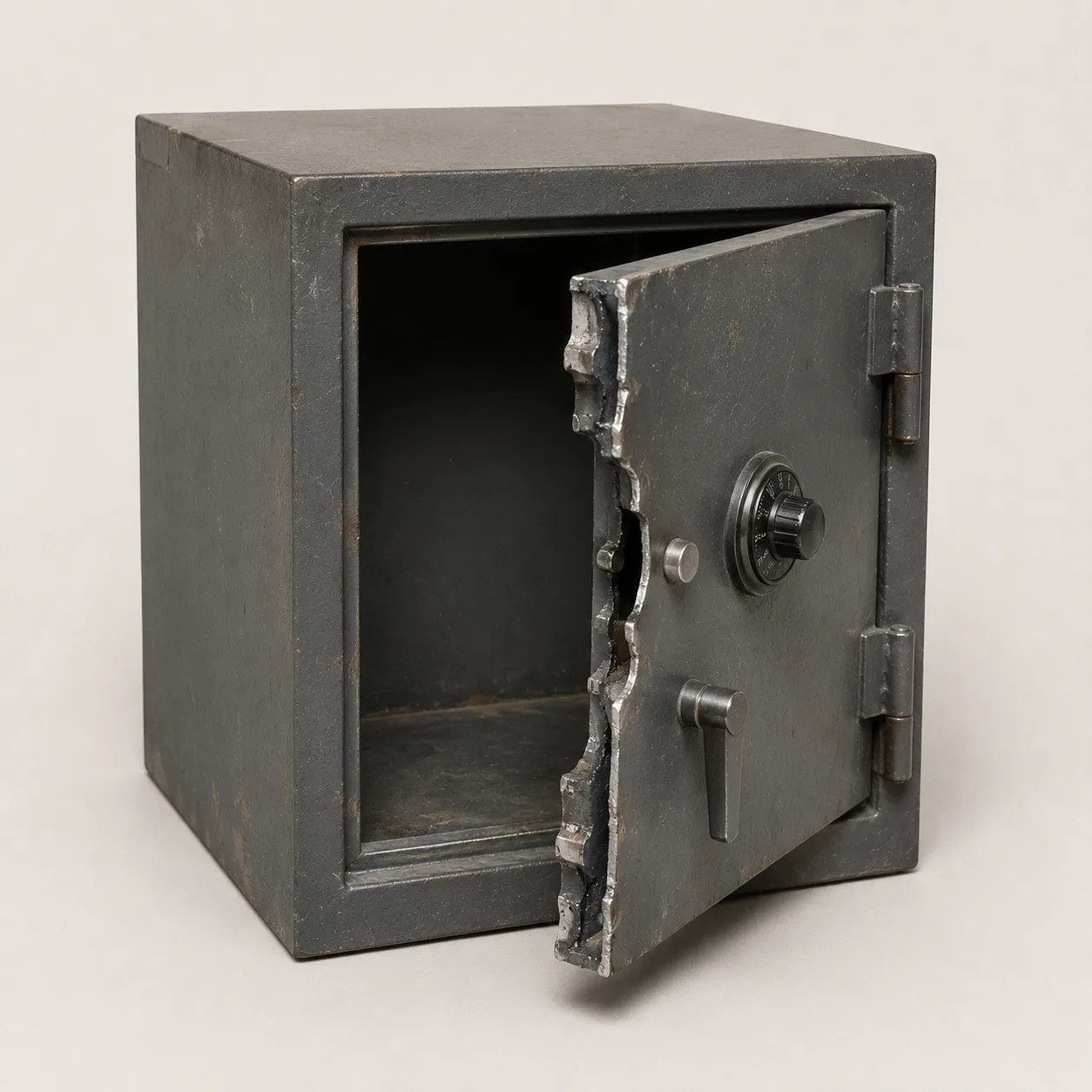
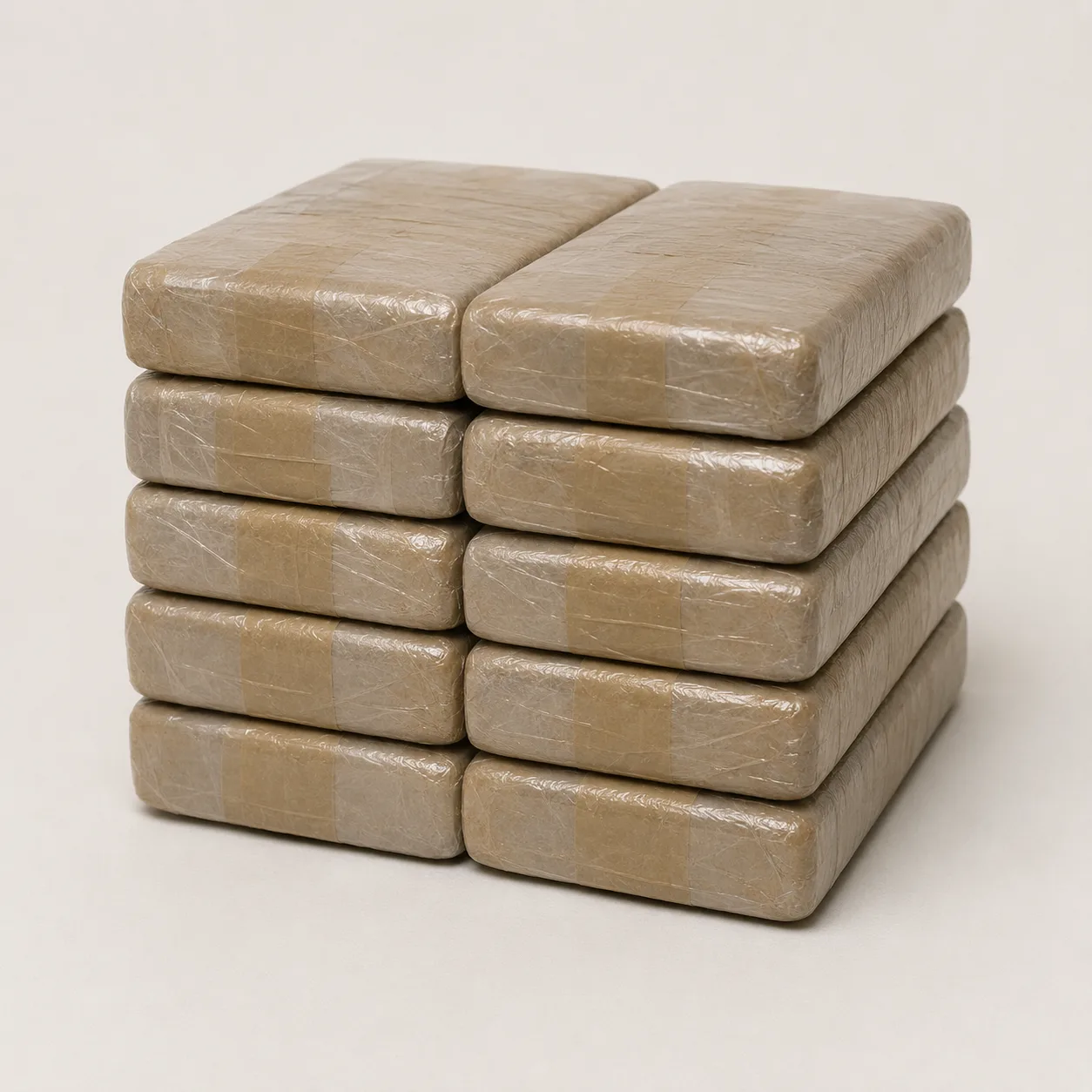
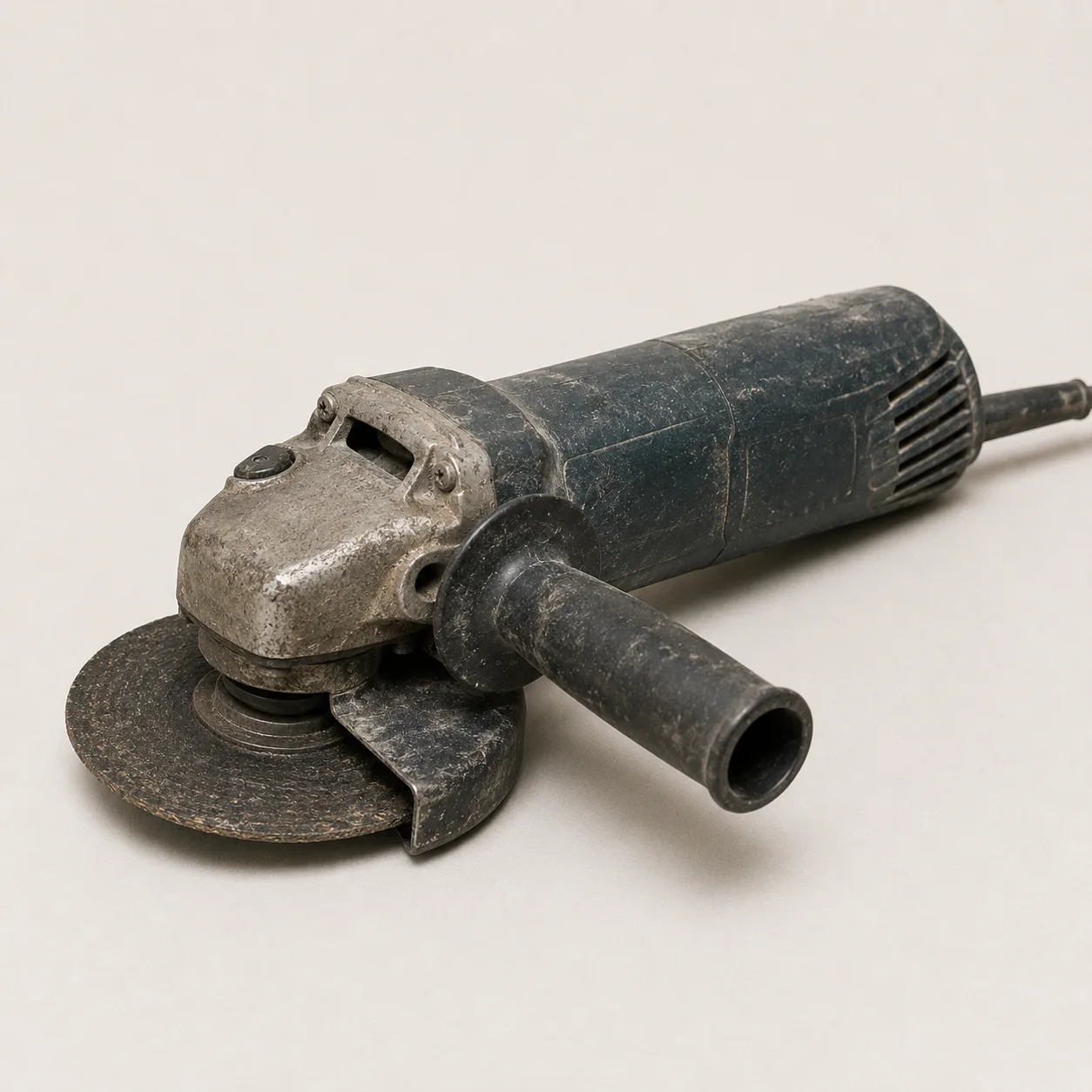
In June 2021, 541kg of cocaine seized at a Durban container depot was routed away from the forensic laboratory it was legally required to reach and into a Port Shepstone Hawks office that had already been robbed eight times. That November the drugs were cut out of the safe with a grinder. The Madlanga Commission is examining whether that was negligence or an inside job reaching up the KZN Hawks chain of command; the first arrest came almost five years later, in August 2026.
The Big Five cartelExplore the network →Chain of command
Who’s involved
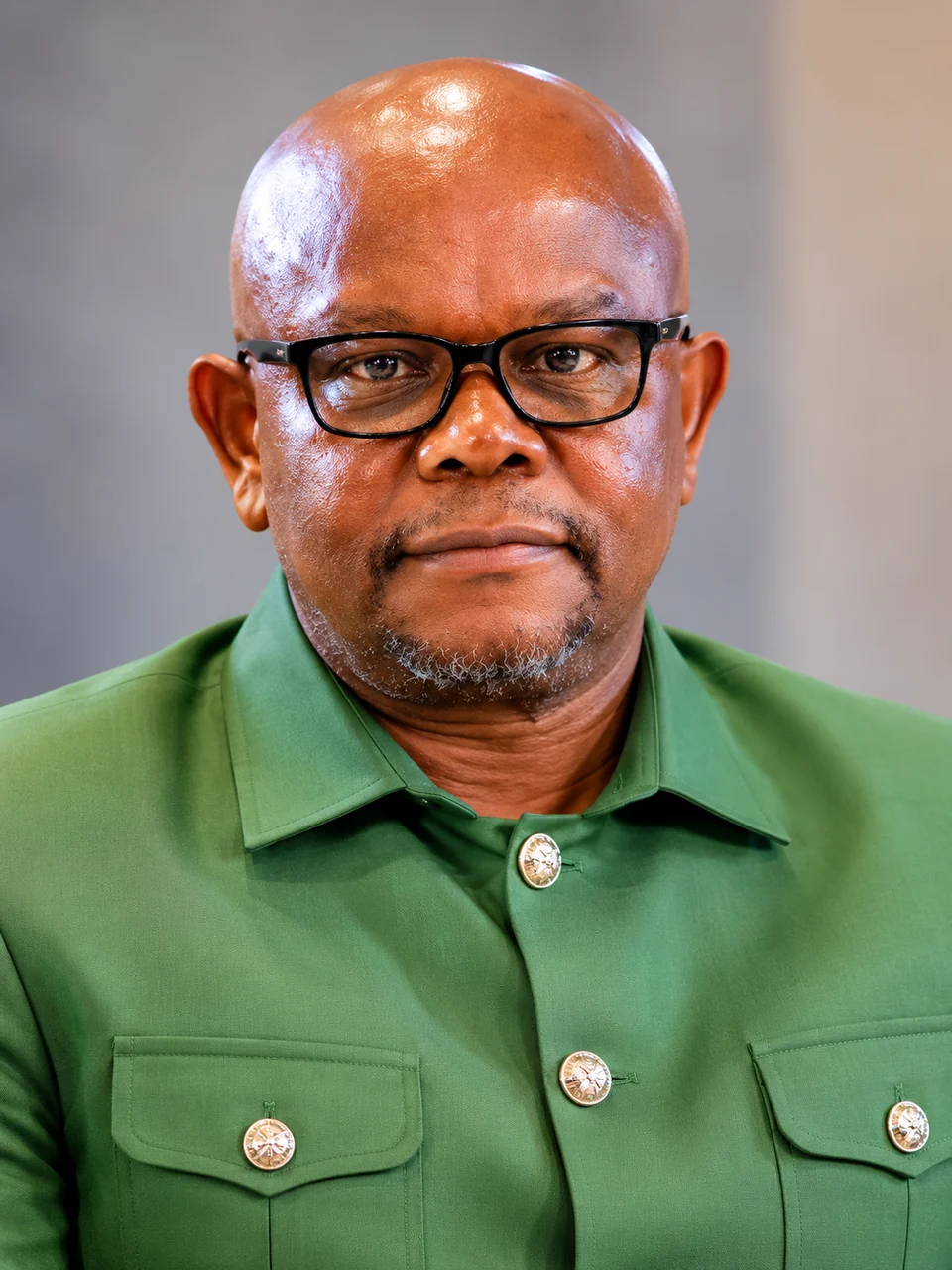
Major General Lesetja Senona
Provincial Head, KZN Hawks (DPCI)
Top of the chain of command. Brigadier Nyuswa testified the move to Port Shepstone was ultimately authorised by Senona, who has since been suspended. Recalled on 19 June 2026 with Adv Dali Mpofu SC, he accused the inquiry of unfair treatment and disputed the junior officers' evidence.
View full profile →Brigadier Campbell Nyuswa
Provincial Commander, Serious Organised Crime - KZN Hawks
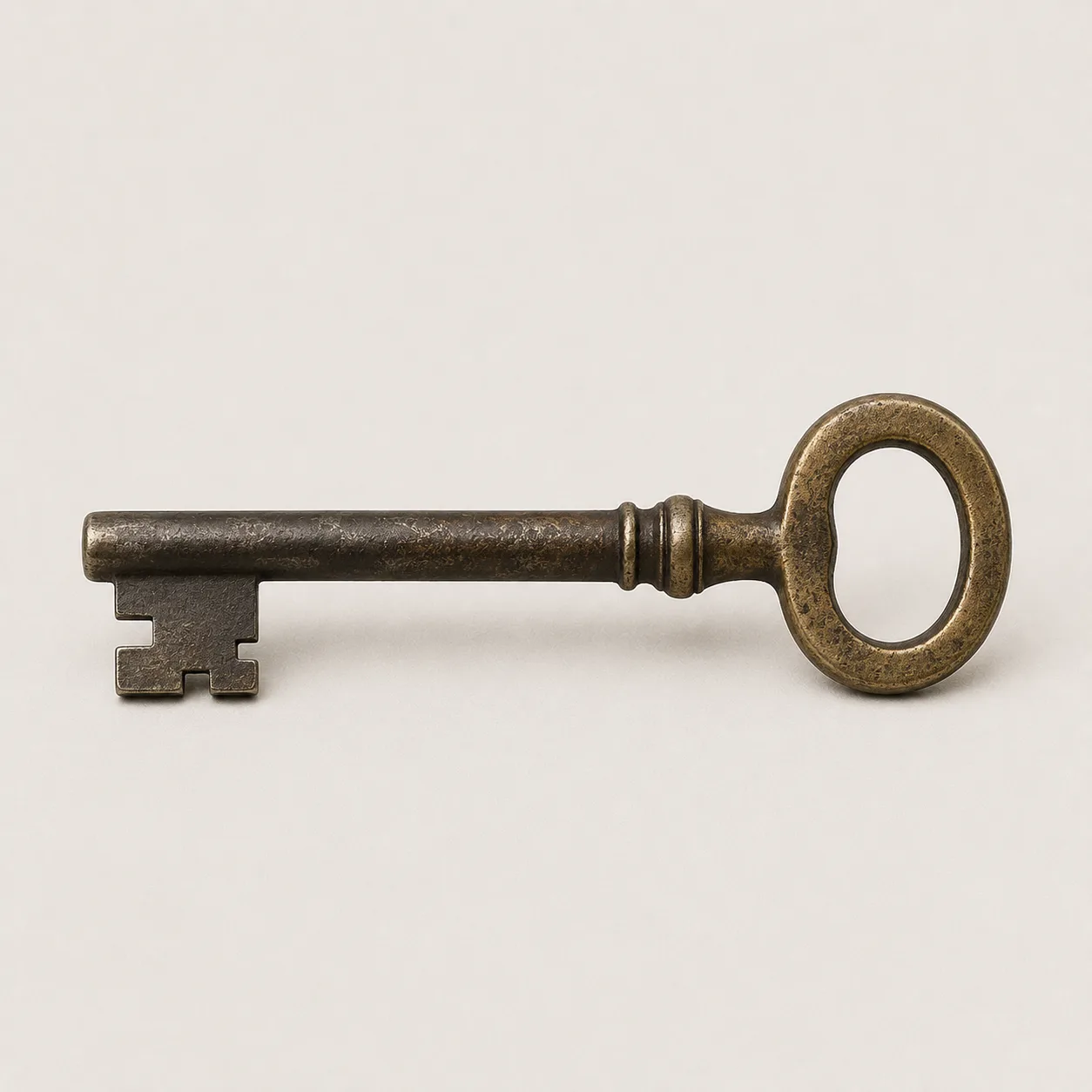
Central figure. Witnesses testified he instructed subordinates to store the cocaine at the Port Shepstone office, and that he took both keys to the safe on arrival.
View full profile →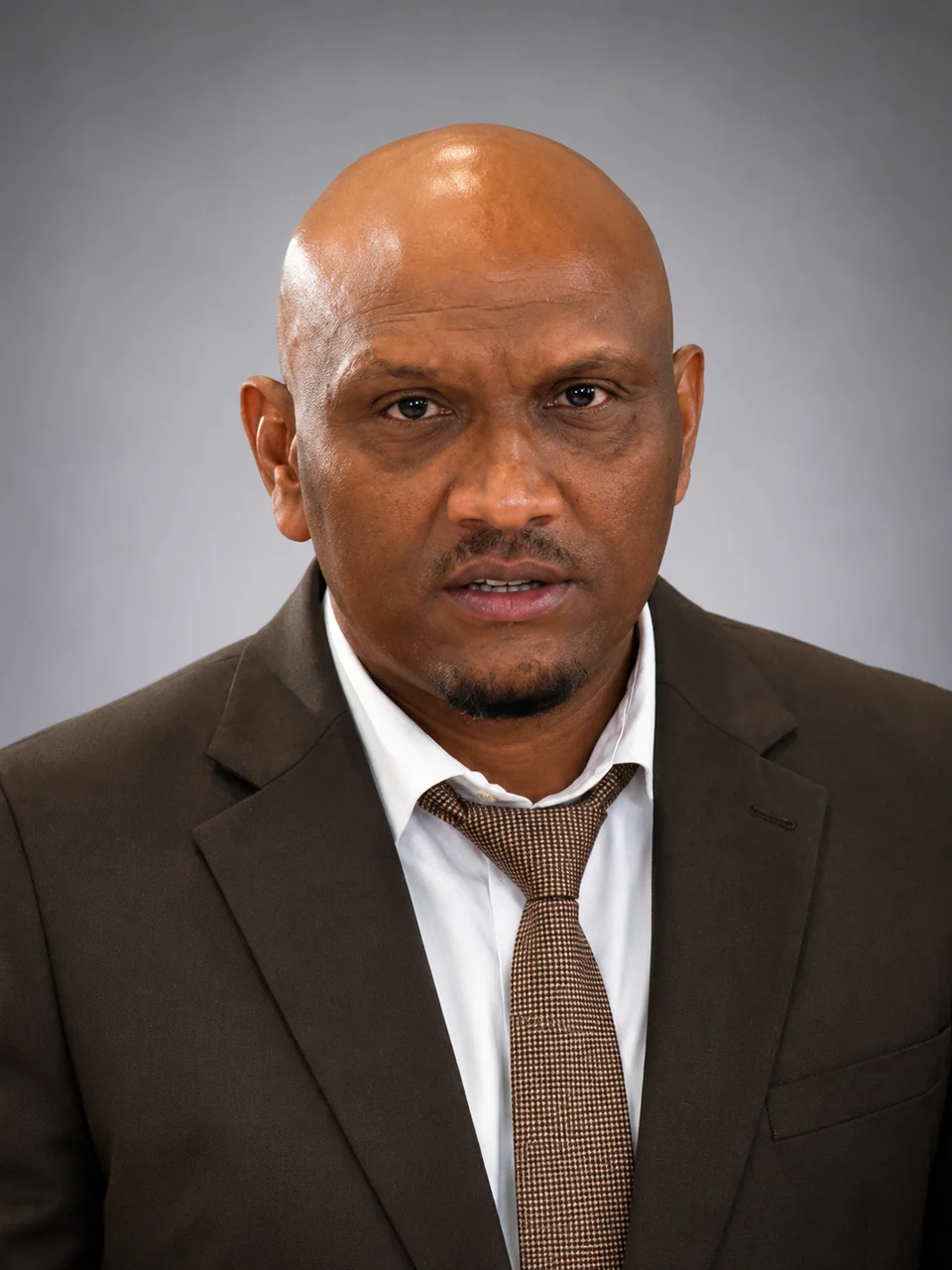
Colonel Gavin Jacob
Commander, Durban Serious Organised Crime Unit - KZN Hawks
Testified the move was Nyuswa's direct order and that he waited for an armed escort. Under cross-examination the commission showed he had falsely claimed to have 'exhausted all avenues' for secure storage closer to Durban.
View full profile →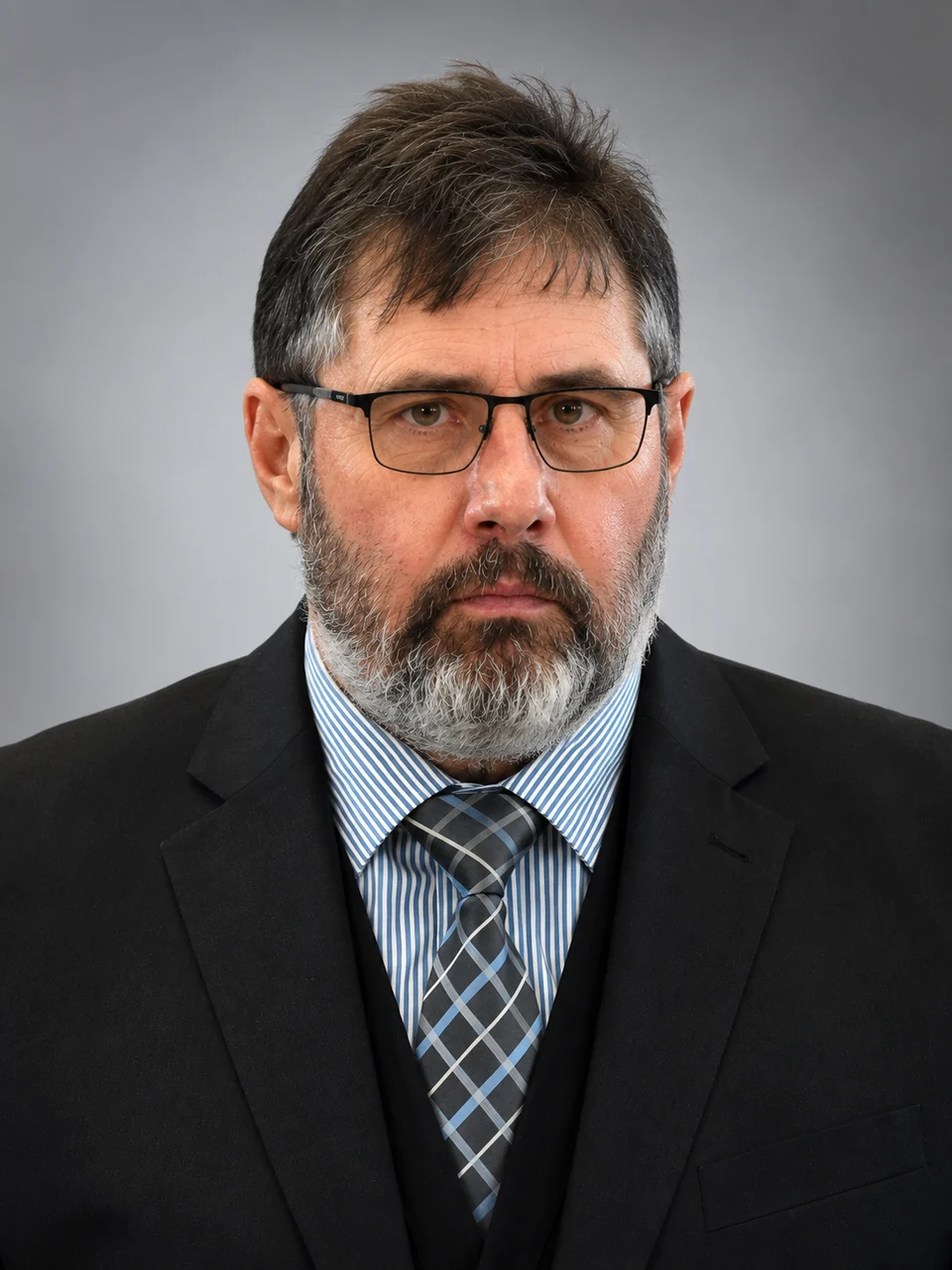
Lieutenant Colonel Jakobus Prinsloo (retired)
Lieutenant Colonel (retired), KZN Hawks
Detailed the facility's security failures - no working electric fence in load shedding, no cameras, no alarm response, an unmanned reception - and confirmed he handed the safe keys directly to Nyuswa.
View full profile →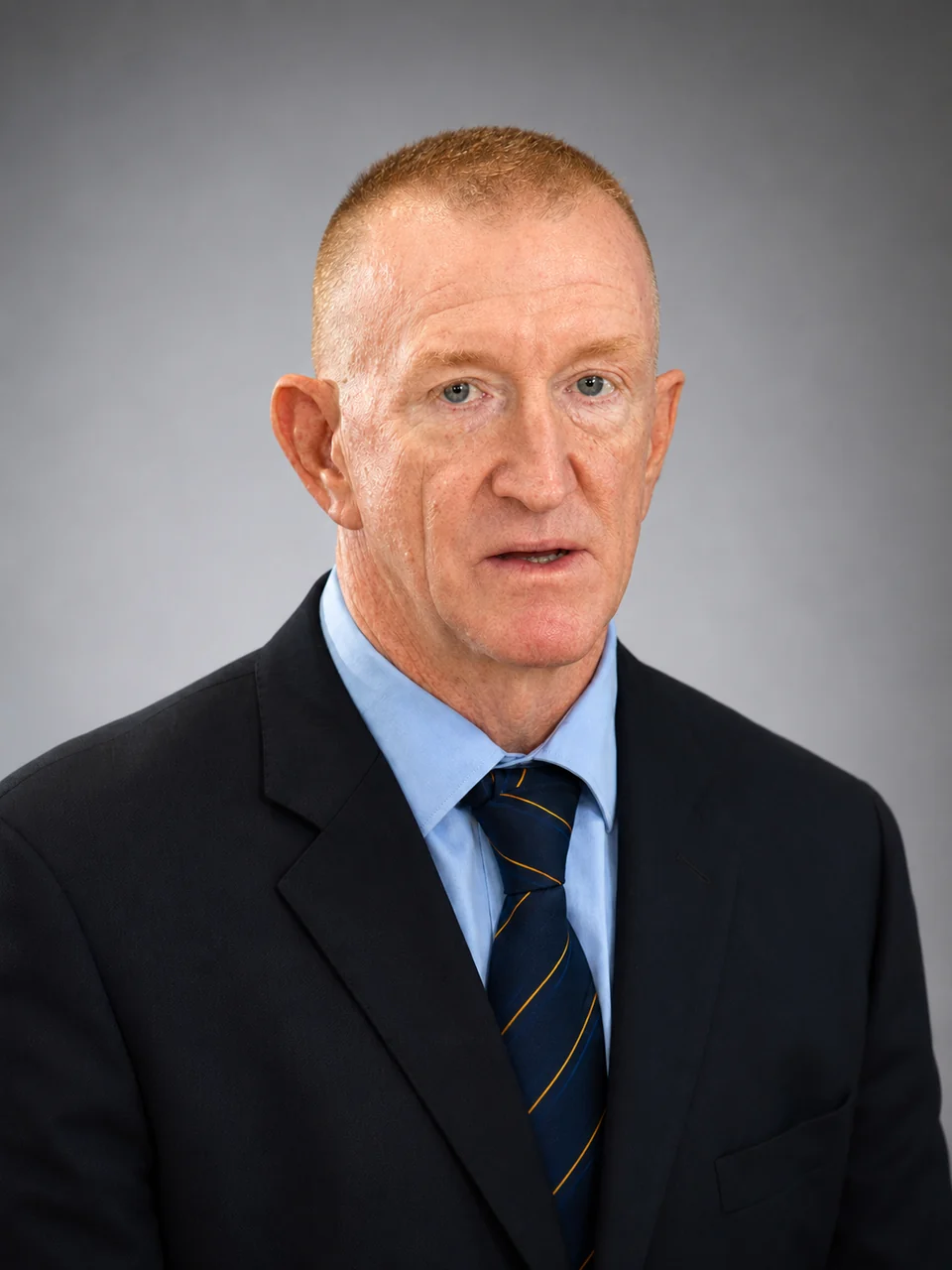
Warrant Officer Karl Sander
Warrant Officer, KZN Hawks narcotics
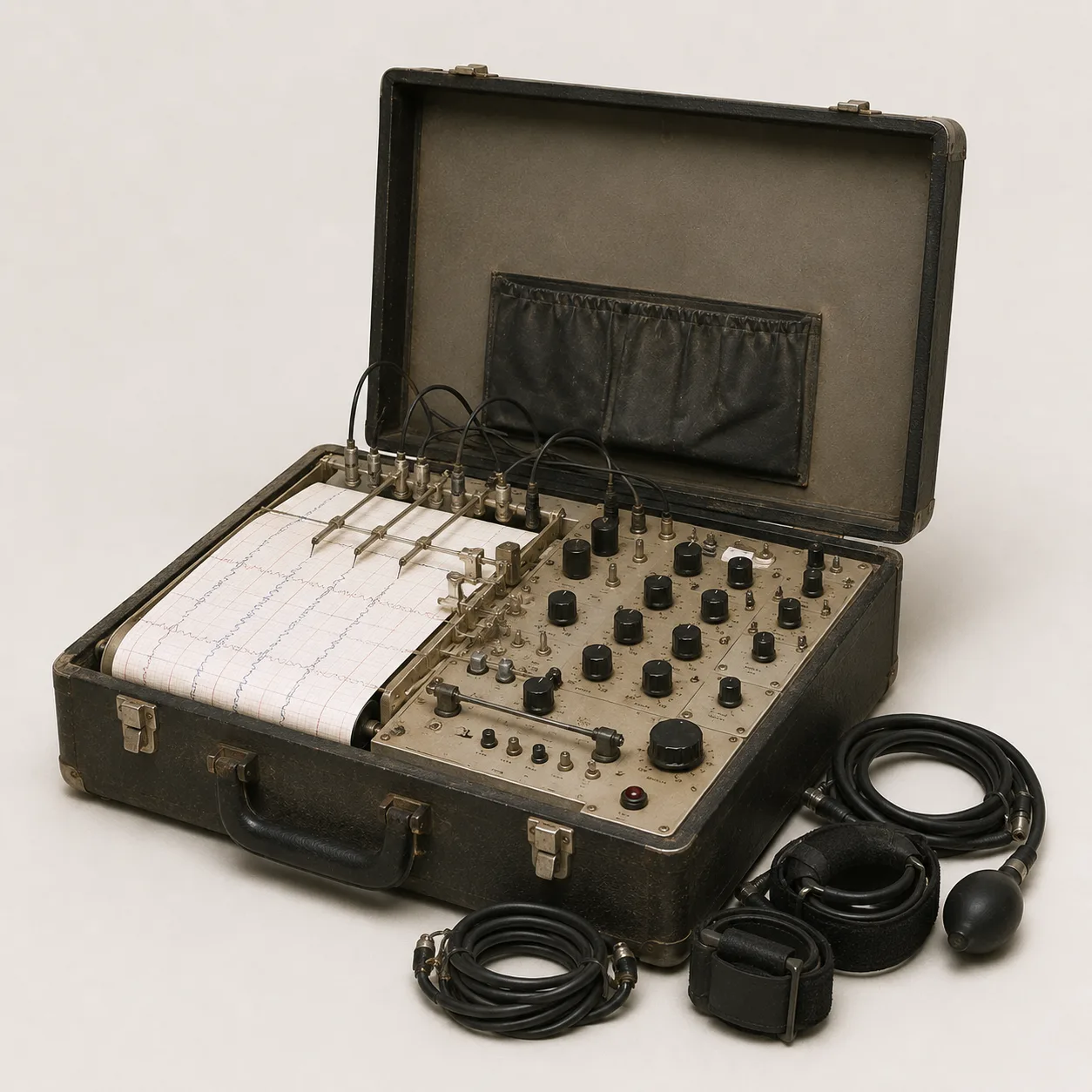
Lowest in the chain. Falsely linked to the theft while on leave, forced onto a polygraph, then sidelined - and exonerated on the stand when the test was ruled invalid in his favour.
View full profile →Timeline
How the case unfolded
Robbed eight times
The Port Shepstone Hawks office is burgled eight separate times over a decade - three of them under the current leadership.
Warnings issued, then ignored
A 2017 directive bans high-value exhibits from the unit. A 2020 counter-intelligence memo warns management of no CCTV, no active guards, and no early-warning beams.
541kg found in a container at Isipingo
Hawks investigators are called to inspect a container at the CHC depot in Isipingo, south of Durban, on a tip about 27kg of drugs. What they find is an estimated R200 million in cocaine - roughly 25 suitcases' worth.
Routed to Port Shepstone, not the lab
On Nyuswa's instruction the consignment is taken about 100km to the flagged store instead of a forensic laboratory.
The grinder heist
With no cameras and the alarm not linked to armed response, intruders enter through windows, spend hours cutting the safe with a grinder, and take the entire haul. The firearms held in the same room are left untouched.
A whistleblower is sidelined
Sander, who had pressed for answers, is falsely implicated, polygraphed, and transferred out of narcotics work.
Exoneration, and a suspension
At the commission, Sander learns his withheld polygraph cleared him all along; KZN Hawks head Senona has by now been suspended.
The first arrest, almost five years on
The Serious Organised Crime Investigation unit arrests Pretoria businessman Lucas Legabe, 49, in Gauteng, and charges him with theft and dealing in drugs. He denies any involvement, and in a bail application at the Port Shepstone Magistrate's Court on 8 September 2026 says he was tortured after his arrest to make him implicate police officers. He has not pleaded, nothing has been tried, and he is presumed innocent.
The chain of command contradicts itself
Retired Hawks national head Lt Gen Godfrey Lebeya tells the commission he only learned where the cocaine was stored after it was gone. Senona's evidence is that he told him. Evidence leader Adv Lee Segeels-Ncube puts it that one of them must be lying or both mistaken; Lebeya declines to say Senona lied. No finding has been made.
Two accomplices turn state witness, and the Hawks look inward
At Legabe's two-day bail application, state prosecutor Zwelethu Mata tells the Port Shepstone Magistrate's Court that two of the people involved in the theft will testify as section 204 witnesses and place Legabe inside the building, saying he 'was among the people who went in and stole the drugs' and was given a share to sell. Legabe denies everything, calls his warrantless arrest 'prima facie unlawful' and says he was tortured to make him implicate police. Hawks national spokesperson Col Katlego Mogale tells TimesLIVE the investigation 'is now concentrated at head office'. Untested allegations on both sides; no officer has been charged and Legabe is presumed innocent.
Bail judgment reserved to the day the commission comes back
Argument closes and the Port Shepstone Magistrate's Court reserves judgment on Legabe's bail to Monday 14 September 2026, the same day the commission resumes public hearings. The state's case for keeping him in is witness safety: Hawks investigator Capt Mothapo Mashau's affidavit says Legabe 'is aware who the witnesses are' and 'is well acquainted with them'. Col Katlego Mogale tells The Citizen the arrest 'did not come into effect because of what was mentioned at the Madlanga commission'. No ruling has been made and Legabe is presumed innocent.
Bail granted: R50,000, and no contact with the state's witnesses
Magistrate Nonjabulo Moleele grants Legabe R50,000 bail, finding the state has not shown he would flee or interfere with the investigation, and that the scale of the case is 'offset by the absence of any evidence connecting the applicant to the physical disposal of the drugs'. He must surrender his passports, report weekly to Brooklyn Police Station and have no contact with state witnesses. The case returns on 1 December 2026. Bail is not a verdict; Legabe denies involvement and is presumed innocent, and no officer has been charged.
From the record
In their own words
On the state of the storeroom
“When there was load shedding, the electric fence would not work. There were no cameras or beams outside the office. There was no alarm system. There was a reception and no one was at reception when there were 200 million rands worth of drugs in the building.”
The exoneration
CommissionerThe test was considered invalid so that the examinee was not prejudiced by the errors of the polygraph examiner. The examiner was stopped from conducting any further examinations.
CounselSo effectively the warrant officer was exonerated.
W/O SanderHe was, chief.
CommissionerWe are done with the witness. Warrant officer, you are excused.
Exhibits
Objects from this testimony
Sources & updates
Where this comes from
- Daily Maverick - 'Whistleblower suspect broke silence' on R200m Port Shepstone cocaine theft (3 June 2026)
- IOL - Colonel Jacob says Hawks officials 'colluded with criminals' in R200m drug theft (3 June 2026)
- Mail & Guardian - Hawks boss Senona to face Madlanga commission (1 June 2026)
- Sowetan - Hawks officer accused of lying over R200m cocaine storage (4 June 2026)
- SMWX - Wild R200M Drug Bust, Madlanga Story (2 June 2026)
- TimesLIVE - Suspect linked to R200m cocaine heist claims he was tortured to implicate police (8 September 2026)
- The Citizen - R200m Port Shepstone cocaine theft: accused claims prison 'not conducive' to his health (8 September 2026)
- IOL - Man accused of stealing R200 million cocaine from KZN Hawks facility to apply for bail (7 September 2026)
This case file summarises testimony and evidence presented on the public record before the Madlanga Commission of Inquiry. It restates allegations as they were made at the hearings and is not a finding of guilt, liability, or wrongdoing by any person named.