About the archive
The commission, and this record of it.
South Africa's first and only dedicated public-record archive of the Madlanga Commission of Inquiry.
We turn 181 sitting days and 61 official documents into a single, readable, cross-referenced public record - so anyone can follow what the Madlanga Commission heard, who said it, and what it ruled.
The commission
What the Madlanga Commission is
An independent inquiry into criminality, political interference and corruption in the Criminal Justice System.
The Judicial Commission of Inquiry - the Madlanga Commission - is chaired by retired Constitutional Court Justice Mbuyiseli Madlanga. It was established by President Cyril Ramaphosa to probe the infiltration of criminal syndicates into law enforcement, intelligence, the prosecuting authority, the judiciary and correctional services.
Its mandate is to assess oversight mechanisms, review legislation and make actionable recommendations. The inquiry arises from allegations made public by KZN Police Commissioner Lt-General Nhlanhla Mkhwanazi, whose testimony opened the hearings.
Proclamation & terms of reference (Government Gazette No. 53048)Who runs it
The commissioners
The panel presides over the inquiry and directs its proceedings. The commissioners are officers of the Commission - they hear and weigh the evidence; they are not witnesses and do not testify.
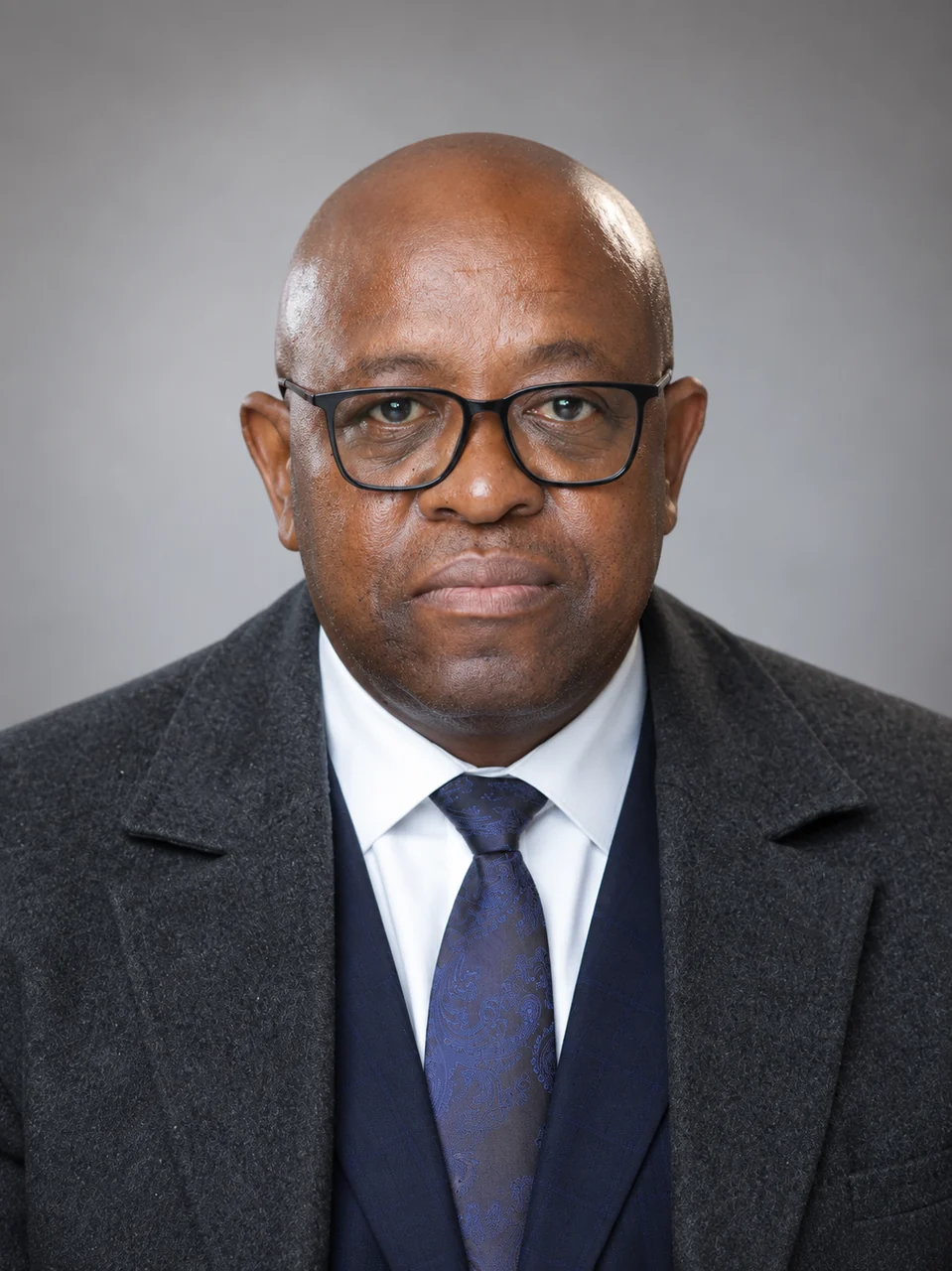
Justice Mbuyiseli Madlanga
Acting Deputy Chief Justice (ret.)
Presides over the Commission and ensures the orderly receipt of evidence.
View profile →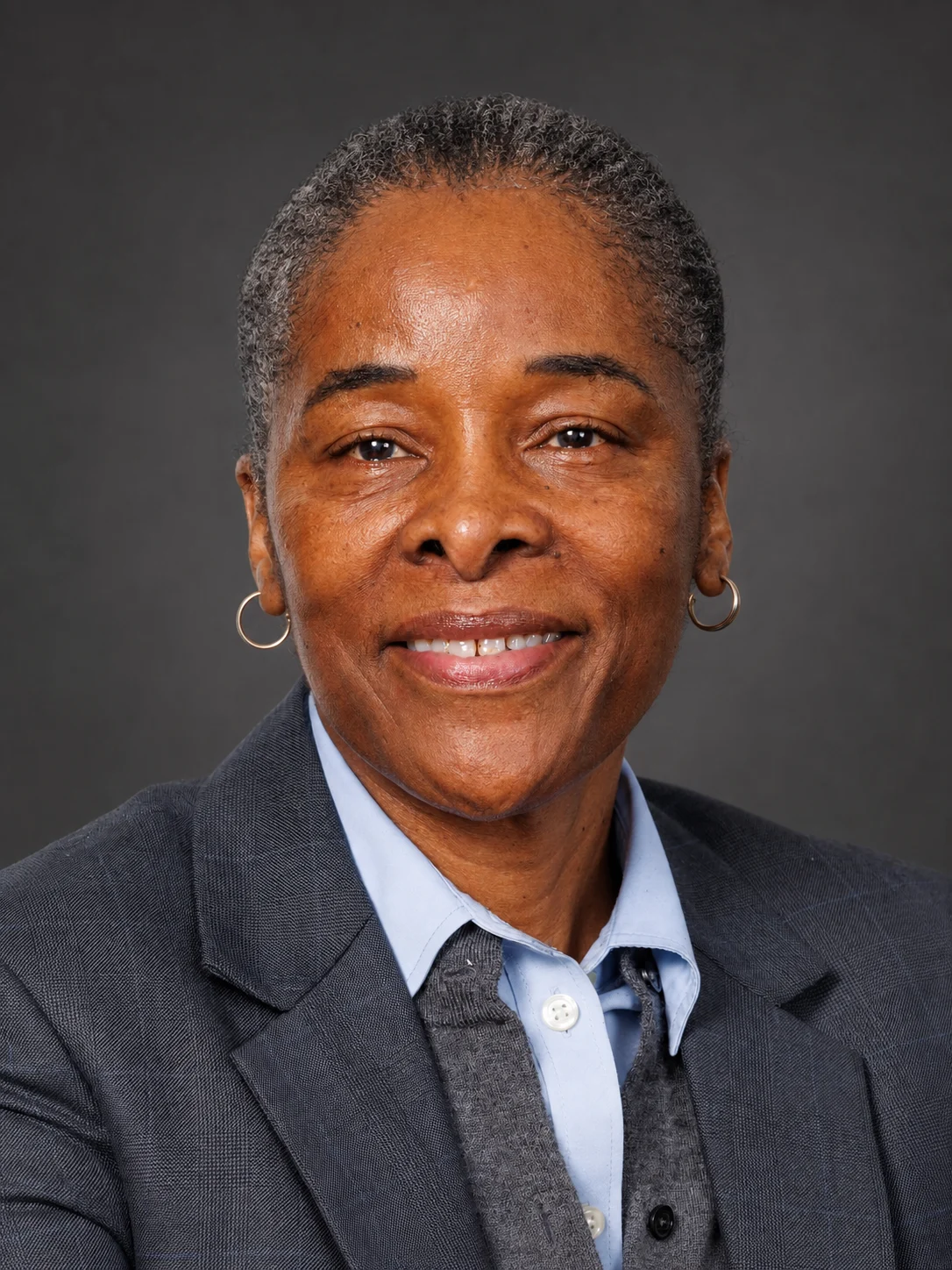
Advocate Sesi Baloyi SC
Senior counsel
Assists the Chairperson with legal analysis and the framing of recommendations.
View profile →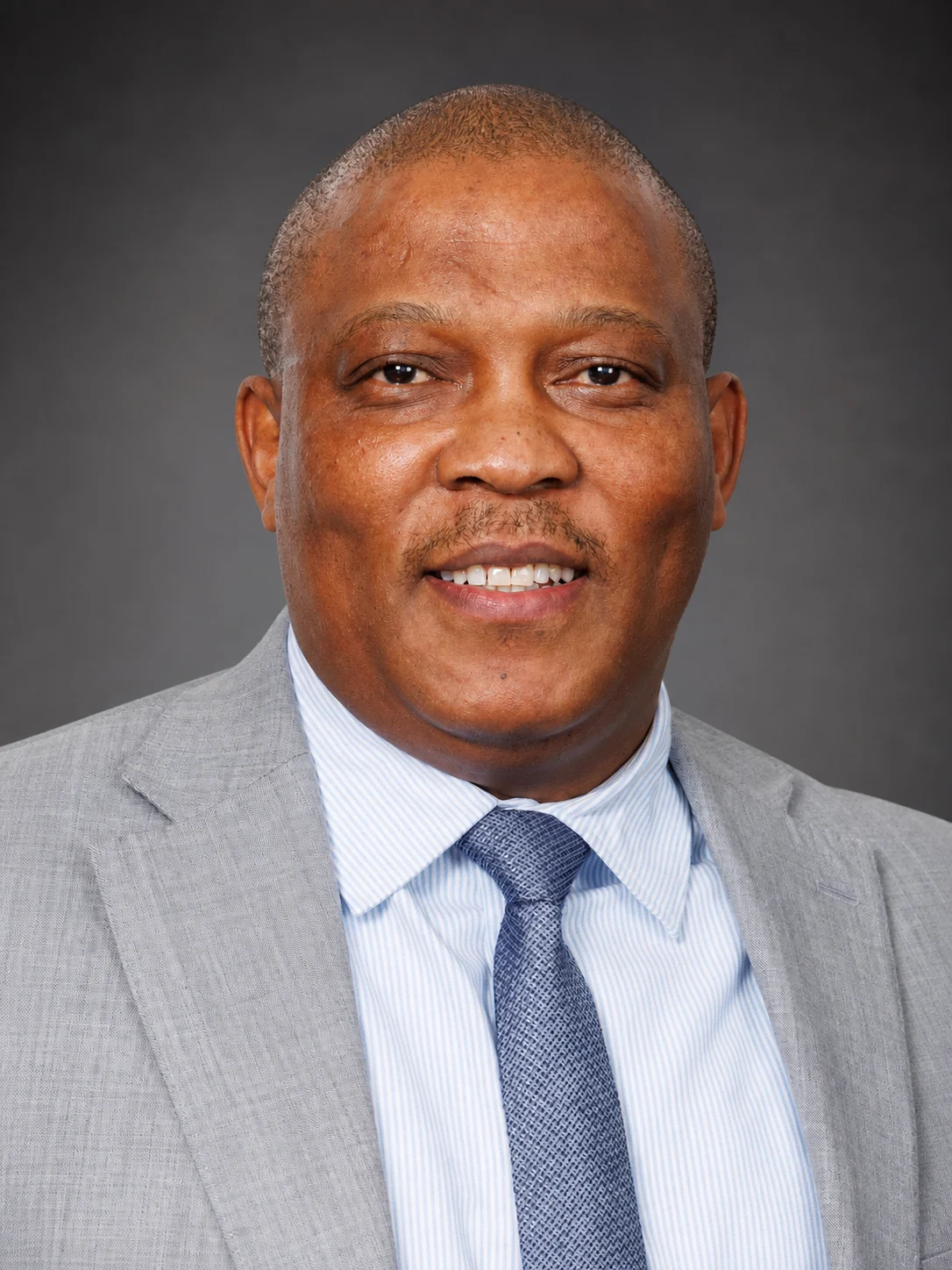
Advocate Sandile Khumalo SC
Senior counsel
Assists the Commission with investigative inquiries and oversight of evidentiary process.
View profile →Who leads the evidence
Evidence leaders
Evidence leaders present and test the evidence before the panel - they call witnesses, lead testimony and probe the record.
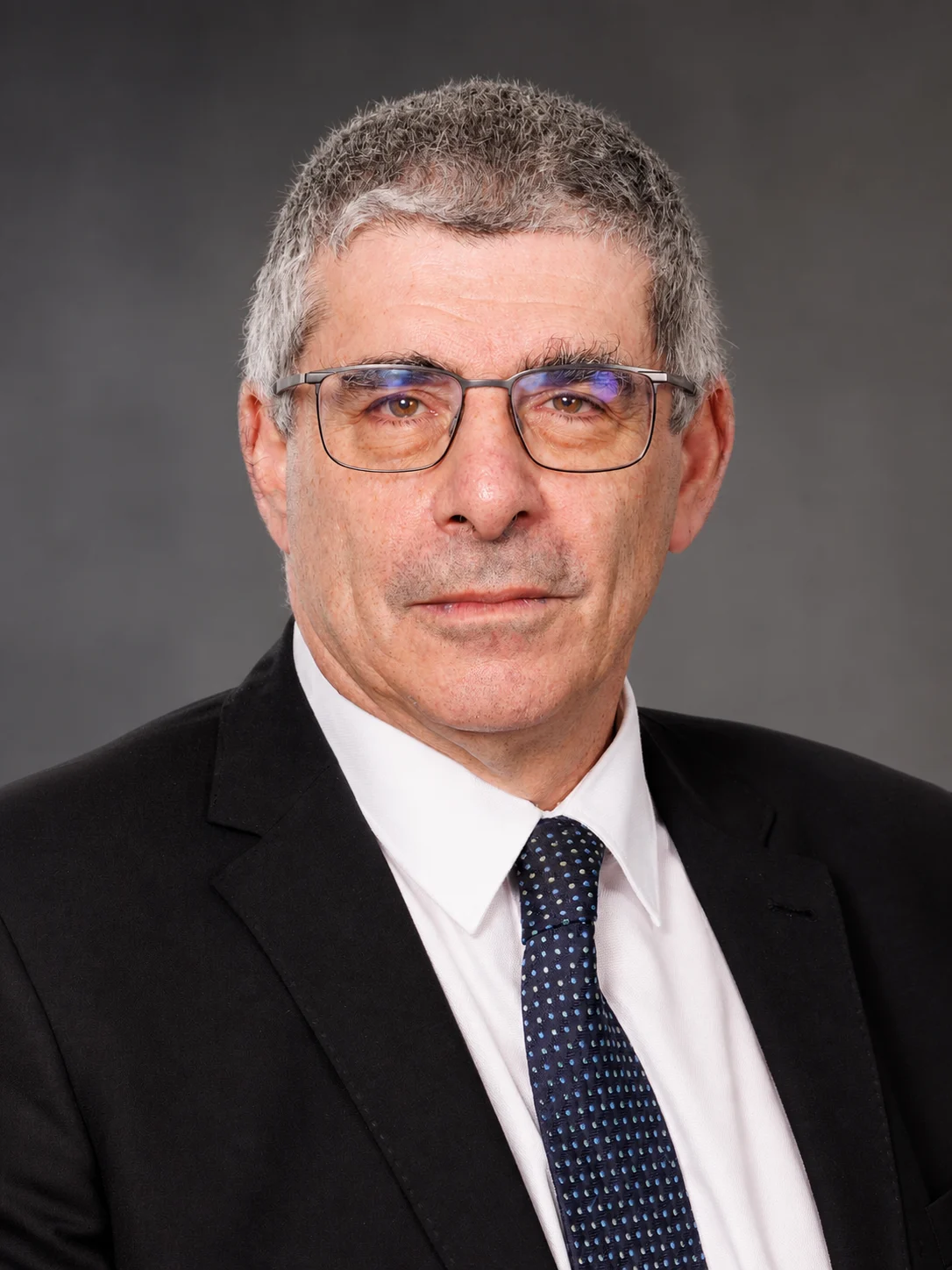
Advocate Matthew Chaskalson SC
Senior counsel
Leads the evidence team; state-capture money-flows and asset-recovery background.
View profile →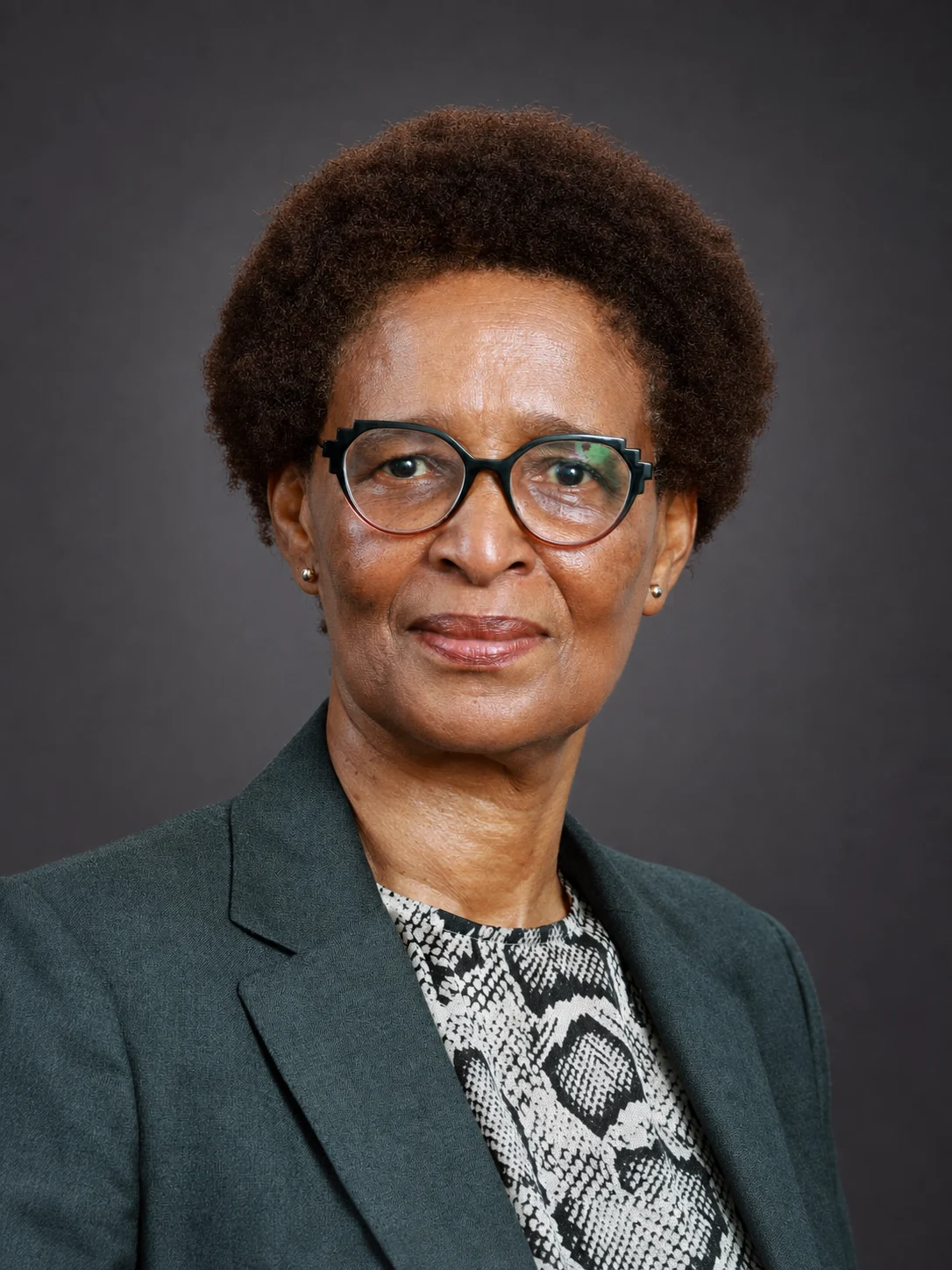
Advocate Mahlape Sello SC
Senior counsel
Section 89 panel (Phala Phala); arbitration and public-law expertise.
View profile →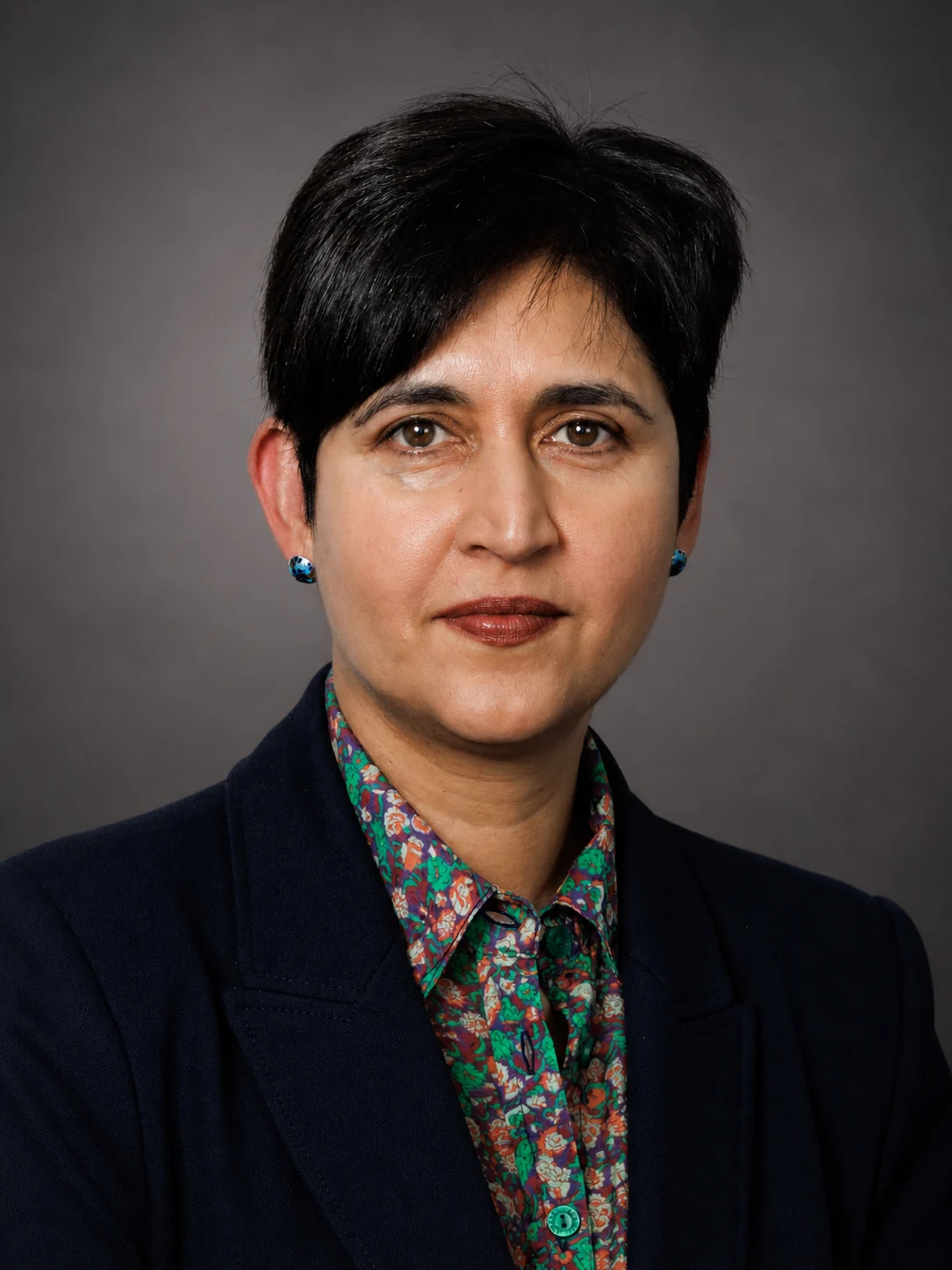
Advocate Adila Hassim SC
Senior counsel
ICJ team (SA v Israel, 2024); Life Esidimeni; public-interest litigation.
View profile →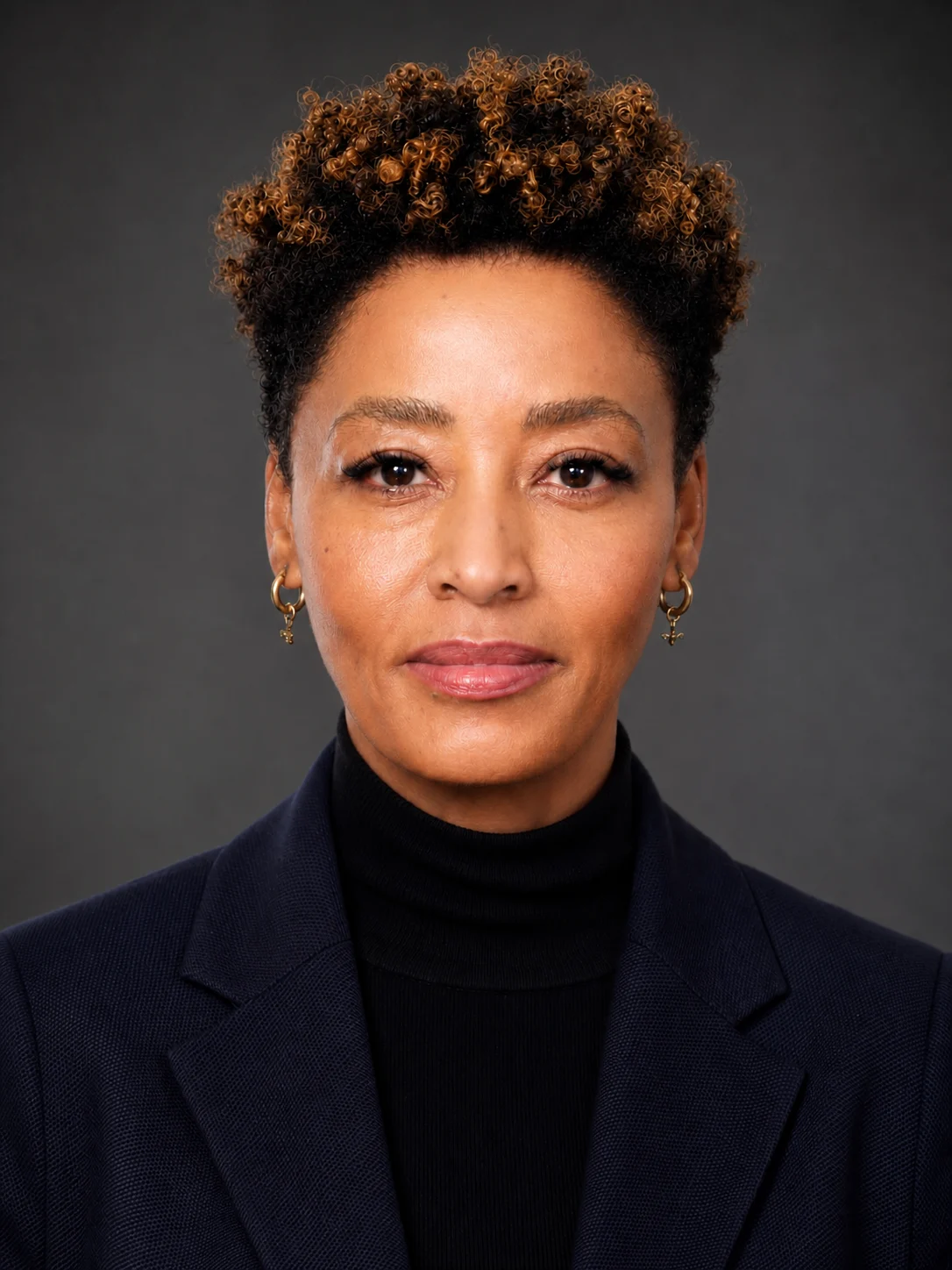
Advocate Lee Segeels-Ncube
Johannesburg Bar; administrative and commercial law.
View profile →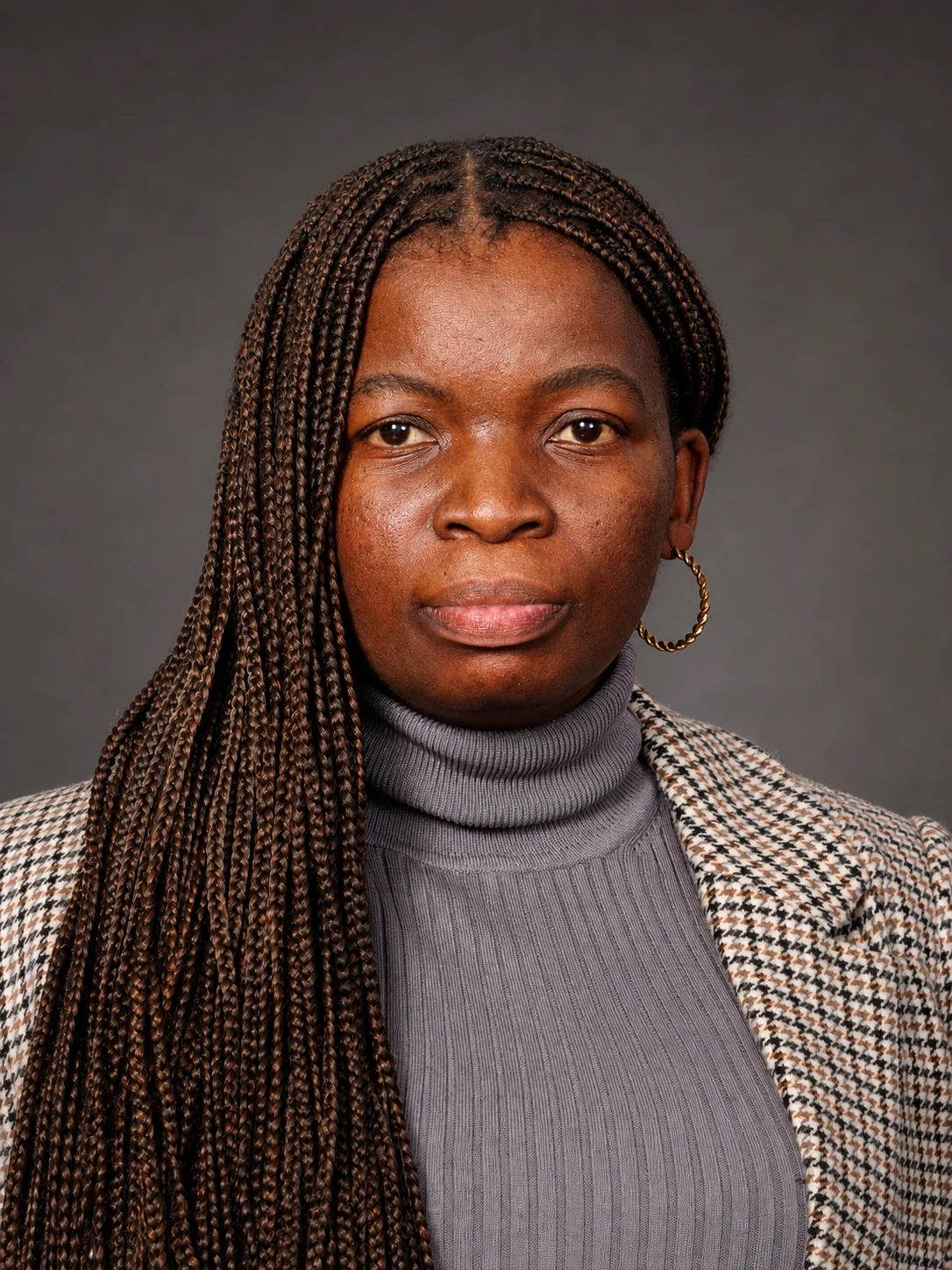
Advocate Ofentse Motlhasedi
Human-rights and constitutional litigation; former Constitutional Court clerk.
View profile →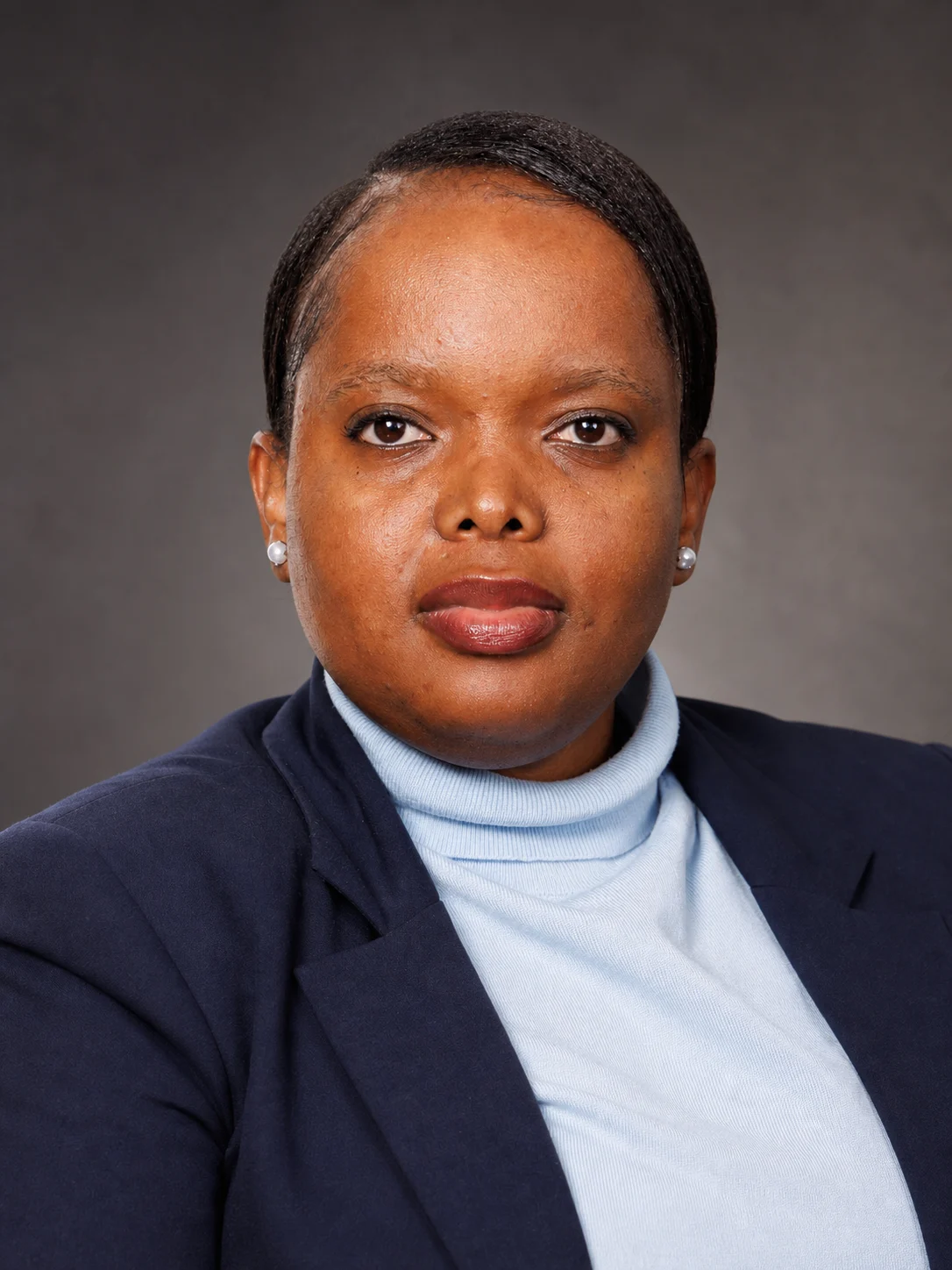
Advocate Thabang Pooe
Public-interest litigation; SECTION27 alumna; former Madlanga clerk.
View profile →Advocate Teboho Mosikili
Leads evidence; handled the Witness M in-camera application.
View profile →Advocate Mpilo Sikhakhane
Leads evidence; Tshwane security-payment strand; Prinsloo testimony.
View profile →Advocate Terry Motau SC
Senior counsel
The Commission's first chief evidence leader; stepped down September 2025.
View profile →Advocate Tshidiso Ramogale
Led the evidence of former KZN IPID investigator Sharmilla Williams.
View profile →Who runs the office
Management team
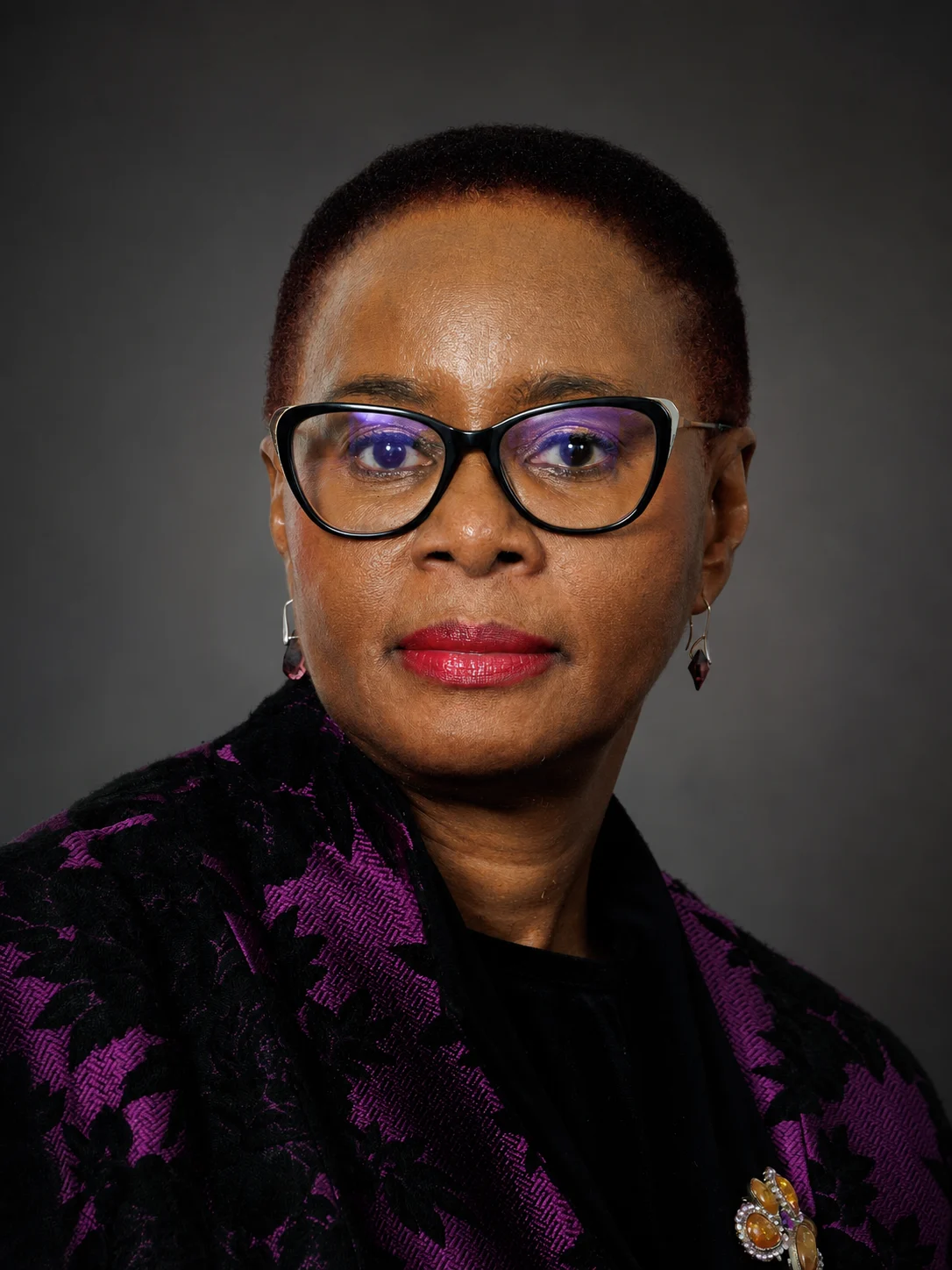
Dr Nolitha Vukuza
Executive across the private and public sectors, academia, the legislature and diplomacy.
View profile →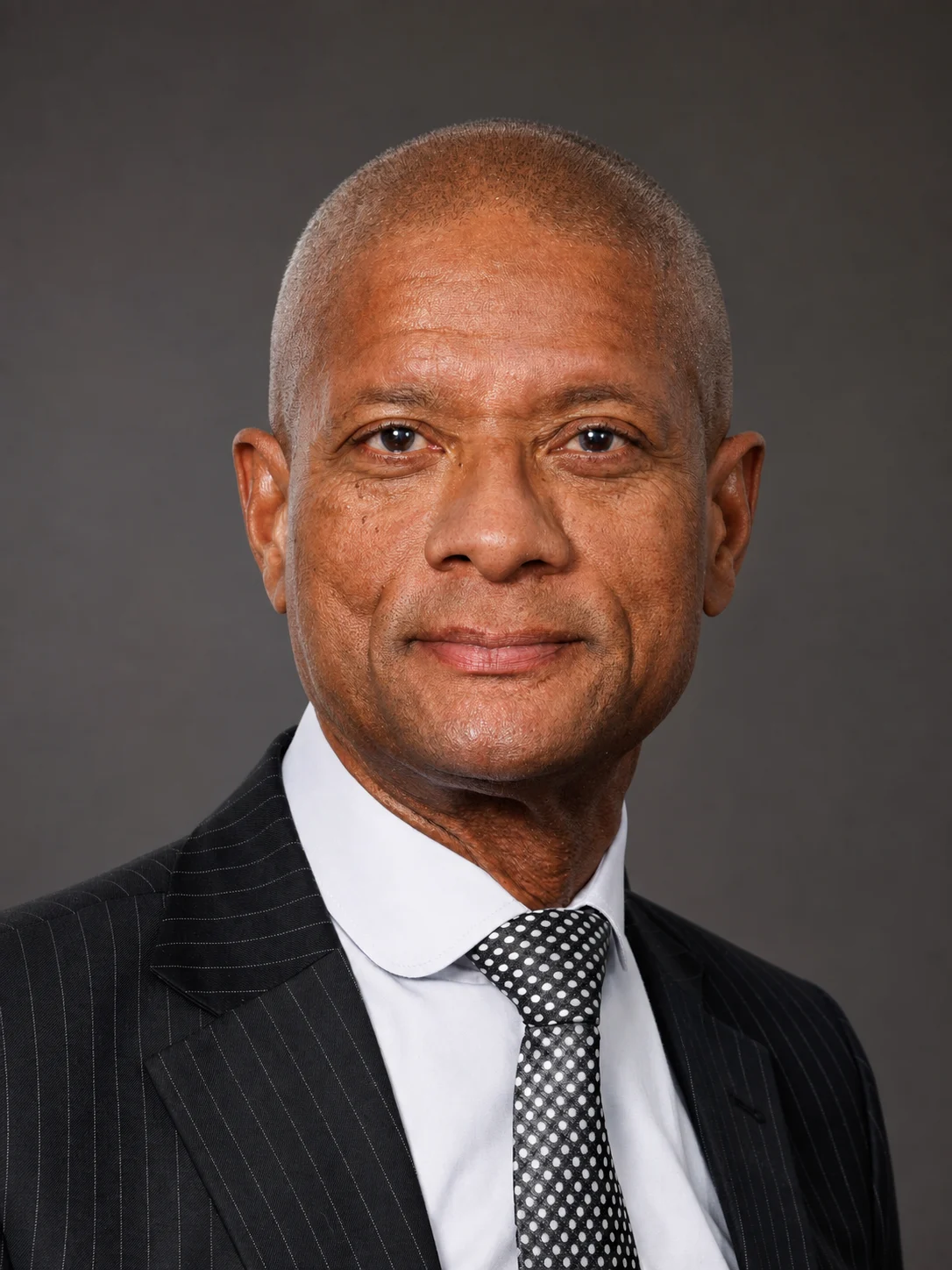
Dr Peter Goss
Forensic auditor; former SAPS detective; governance and crisis-management specialist.
View profile →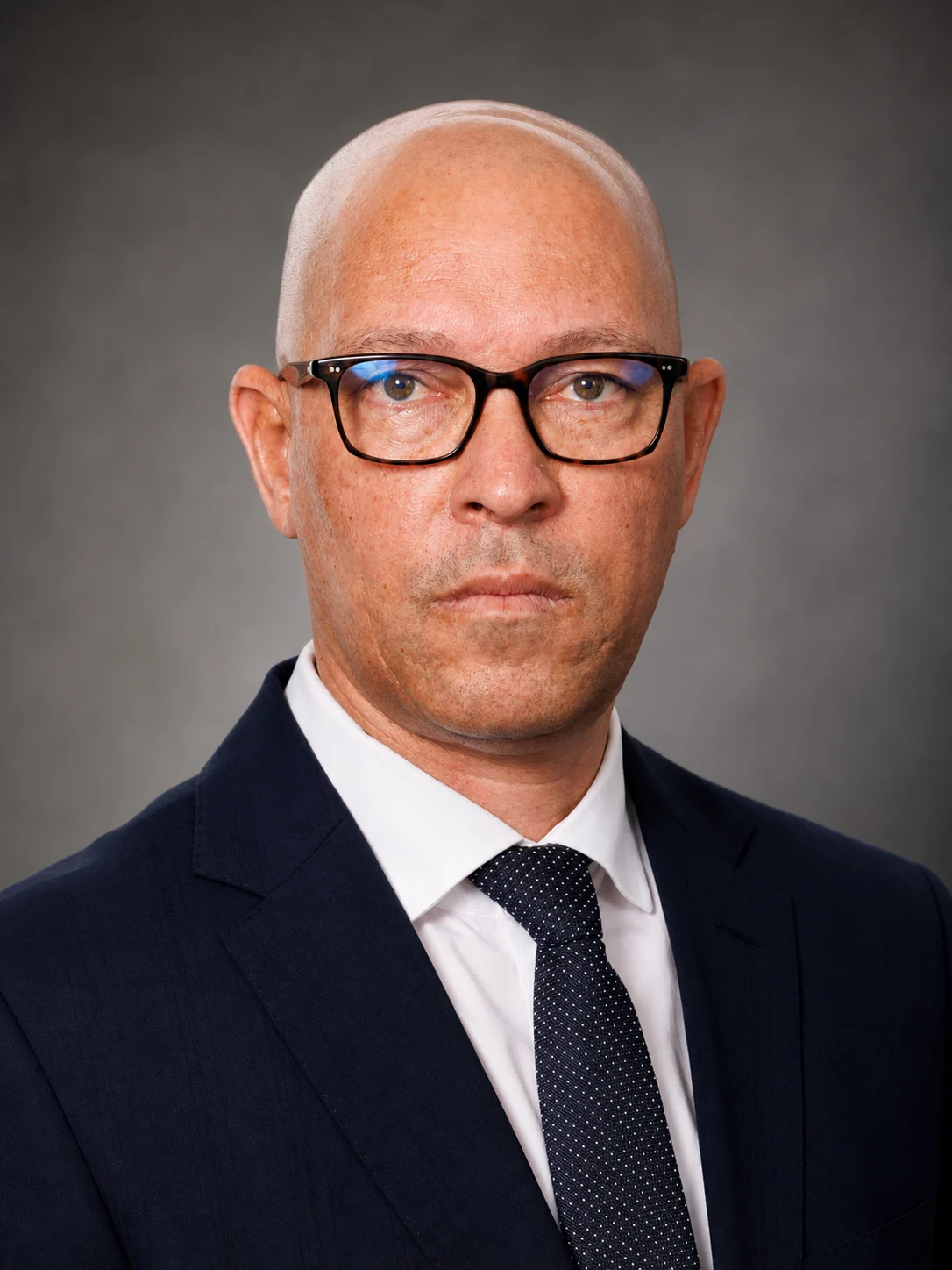
Jeremy Michaels
Media liaison and public communications.
View profile →In context
Commissions of inquiry in South Africa
A commission of inquiry is a formal, independent investigation established by the President to examine a matter of public concern, hear evidence in public, and report with findings and recommendations. South Africa has used them to confront its hardest public questions for decades - the Madlanga Commission is the latest in a long line.
What is a commission of inquiry? Meaning, powers & SA examplesTruth & Reconciliation Commission
Apartheid-era human-rights violations. Chaired by Archbishop Desmond Tutu.
Seriti Commission · Arms Procurement
The strategic defence procurement package - the “arms deal”.
Marikana Commission · Farlam
The killing of 34 mineworkers at Marikana.
Fees Commission · Heher
The feasibility of fee-free higher education and training.
Zondo Commission · State Capture
State capture and corruption across state-owned enterprises.
Nugent Commission · SARS
Governance and misconduct at the South African Revenue Service.
Madlanga Commission
Criminal-syndicate infiltration of law enforcement and the justice system. The subject of this archive.
Often confused
Two things people search for
Not this commission
The Senzo Meyiwa case
The Meyiwa murder trial is a separate criminal matter, not part of this Commission. There have been public calls for the Commission to intervene, and Lt-Gen Mkhwanazi referenced a Meyiwa-case accused during testimony - but the trial falls outside the Commission’s terms of reference and has not been formally taken up by it.
Unrelated
“Mad Chair Company”
If you searched for that and landed here, you may be looking for the Madlanga Commission chairperson, Justice Mbuyiseli Madlanga. Mad Chair Company is an unrelated Johannesburg furniture retailer with no connection to the Commission.
People also ask
Madlanga Commission: frequently asked questions
- What is the Madlanga Commission of Inquiry?
The Madlanga Commission is the Judicial Commission of Inquiry into Criminality, Political Interference and Corruption in the Criminal Justice System, established by President Cyril Ramaphosa in July 2025. It was set up to test explosive allegations made by KwaZulu-Natal police commissioner Lieutenant-General Nhlanhla Mkhwanazi on 6 July 2025 - that politicians, senior police officers, prosecutors, intelligence operatives and others had colluded with criminal syndicates to capture parts of the justice system. Chaired by retired Constitutional Court Justice Mbuyiseli Madlanga, after whom it is informally named, the Commission began public hearings in Pretoria on 17 September 2025. It hears evidence in the open, examines how syndicates allegedly infiltrated law enforcement, intelligence, the prosecuting authority, the judiciary and correctional services, and reports to the President with recommendations.
Sources: Wikipedia - Madlanga Commission · Official commission site
- Who is leading the Madlanga Commission?
The Commission is chaired by Justice Mbuyiseli Madlanga, a retired Justice of the Constitutional Court and former Acting Deputy Chief Justice, who presides over the inquiry and directs its proceedings. He sits with two commissioners - Advocate Sesi Baloyi SC and Advocate Sandile Khumalo SC - who help weigh the evidence and frame recommendations. The evidence is led by a team of senior advocates headed by Chief Evidence Leader Advocate Matthew Chaskalson SC, who took over after the original lead, Advocate Terry Motau SC, resigned in late 2025. The leaders are officers of the Commission, not witnesses: they hear and test the testimony rather than give it.
Sources: Official commission site · Wikipedia - Madlanga Commission
- Who initiated the Madlanga Commission?
President Cyril Ramaphosa initiated and established the Commission, announcing it on 13 July 2025 and formalising it by proclamation on 21 July 2025 in Government Gazette No. 53048. The trigger was a public briefing on 6 July 2025 by KwaZulu-Natal police commissioner Lieutenant-General Nhlanhla Mkhwanazi, who alleged that a criminal syndicate had captured elements of the police, prosecution and intelligence services. As a presidential commission, it derives its powers and terms of reference from the President under the Commissions Act.
Sources: Corruption Watch - terms of reference gazetted · Wikipedia - Madlanga Commission
- What is the Madlanga Commission's mandate and terms of reference?
Under the terms of reference gazetted by President Ramaphosa (Proclamation, Government Gazette No. 53048), the Commission must investigate the infiltration of criminal syndicates into law enforcement, intelligence, the prosecuting authority, the judiciary and correctional services. It is directed to assess the oversight mechanisms meant to prevent that capture, review the relevant legislation, make actionable recommendations, and refer suspected criminal conduct for prosecution. It was required to deliver an interim report within three months and a final report within six months of its establishment, subject to extensions granted by the President.
- Where is the Madlanga Commission held?
The Commission sits in Pretoria, Gauteng, at the Brigitte Mabandla Justice College, where it has heard evidence in public since 17 September 2025. Sitting days frequently run eight to ten hours, and proceedings are broadcast publicly, although some testimony has been heard in camera to protect vulnerable witnesses. This archive exists precisely because few people can follow that volume of live testimony in full.
Sources: Official commission site · Wikipedia - Madlanga Commission
- How much is the Madlanga Commission costing?
The Department of Justice set the Commission's estimated budget at about R147.9 million - roughly R148 million - over its initial six months. Of that, around R10.898 million is the 'compensation of employees' line, which collectively covers the commissioners, evidence leaders, investigators, researchers and secretariat staff; no source publishes Justice Madlanga's individual salary separately. By April 2026, reports indicated that approximately R123 million of the budget had been spent, and the Justice Minister said the spending was being properly managed.
Sources: EWN - commission to cost R148m over six months · SAnews - budget properly managed
- Who is funding the Madlanga Commission?
The Commission is taxpayer-funded, paid for by the South African state through the Department of Justice and Constitutional Development, with the money drawn from the National Treasury's contingency reserve. The 2025 adjustments budget set aside unforeseen and unavoidable expenditure - reported at around R1.6 billion, largely for disaster relief and the Commission - to cover its running costs. It is an organ of state established under the President's powers, not a privately funded body.
Sources: IOL - Treasury reveals R147m spent
- What qualifications does Nhlanhla Mkhwanazi have?
Lieutenant-General Nhlanhla Sibusiso Mkhwanazi is the KwaZulu-Natal provincial police commissioner, whose July 2025 allegations triggered the Commission. He holds a National Diploma and a BA in policing as well as an LLB, and is an admitted attorney of the High Court. He joined the South African Police Service as a student constable in 1993, commanded the elite Special Task Force from 2005, served as acting national police commissioner in 2011-2012, and has led the KZN province since 2021.
Sources: Wikipedia - Nhlanhla Mkhwanazi · TimesLIVE - 5 things to know about Mkhwanazi
- Who left the Madlanga Commission?
Advocate Terry Motau SC, the Commission's first chief evidence leader, resigned in late September 2025 - he tendered his resignation on 11 September and it was announced around 30 September. He cited a lack of operational transparency, saying he could not get clear answers on how tasks and budget were being allocated, and raised concern about cost overruns echoing the Zondo Commission, while stressing that his departure 'was not about money.' He was replaced as chief evidence leader by Advocate Matthew Chaskalson SC.
Sources: News24 - Motau on why he stepped down · TimesLIVE - Motau on why he left
- What was the result of the Madlanga Commission so far?
The Commission delivered its first interim report to President Ramaphosa on 17 December 2025, after hearing 37 witnesses over 45 sitting days; it reportedly named 14 officials for action and recommended criminal referrals, which the President accepted, directing the police to form a special task team to investigate those identified. A second interim report was handed over on 29 May 2026 and the Commission's proceedings continued. The interim reports were kept private, with the Presidency stressing that the findings were not yet final - the full picture follows the Commission's final report.
Sources: The Presidency - welcomes interim report · Daily Maverick - interim report stays private
- When did the Madlanga Commission issue its second interim report?
The Commission handed its second interim report to President Ramaphosa on 29 May 2026, with the Presidency announcing receipt and coverage appearing on 1 June 2026. The President said he would study the report while the Commission continued its work, and reiterated his expectation that suspected criminal conduct be referred for prosecution. That document is indexed in this archive's documents library alongside the Commission's rulings, orders and daily records.
Sources: The Presidency - receives second interim report · gov.za - receives second interim report
- Who are the accused in the Madlanga Commission?
A commission of inquiry does not charge or convict anyone - it hears evidence and reports - so there are no 'accused' in the criminal sense, and everyone named is presumed innocent unless and until convicted by a competent court. Several public figures have nonetheless been named or scrutinised in testimony, including Police Minister Senzo Mchunu over the alleged disbanding of a police task team, suspended deputy national police commissioner Lieutenant-General Shadrack Sibiya, alleged businessman Vusimuzi 'Cat' Matlala linked to an alleged 'Big Five' cartel, and alleged middleman Oupa 'Brown' Mogotsi. These are allegations raised in evidence, not findings of guilt; this archive reports them as allegations and attributes them to their source.
Sources: Wikipedia - Madlanga Commission
- Why did Brown Mogotsi fail at the Madlanga Commission?
Ahead of his cross-examination, Oupa 'Brown' Mogotsi filed an application in late April 2026 to have Chief Evidence Leader Matthew Chaskalson recused, arguing he was biased - that Chaskalson had pressured him to implicate businessman Suliman Carrim and had branded him a 'professional liar.' The Commission dismissed the application on 15 May 2026, rejecting the claims of bias; Mogotsi then largely refused to answer questions, invoking his right against self-incrimination, and was arrested in Pretoria shortly after appearing. Justice Madlanga's attorney afterwards said the police should investigate Mogotsi over allegedly manipulated evidence.
Sources: eNCA - Mogotsi after recusal dismissed · Daily Maverick - police should investigate Mogotsi
- What happens after the Madlanga Commission?
When hearings conclude, the Commission submits its final report - with findings and recommendations - to President Ramaphosa, who studies it and decides on action. Those recommendations can include immediate criminal referrals to the National Prosecuting Authority, disciplinary action against named officials, and proposals to reform the law; the President has already directed a special police task team to investigate people the Commission flagged in its first interim report. The final report is expected to be made public, and any prosecutions would then run through the ordinary courts, where the presumption of innocence applies.
Sources: The Presidency - receives second interim report · Corruption Watch - terms of reference
How this archive works
Sourcing & methodology
01
Primary sources only
Every hearing day, ruling, order and statement is ingested from the official commission record and linked back to its source. We index and cross-reference; we do not host or alter the documents.
02
One entry per entity
Each person, case and hearing day is a single canonical record. Connections between them - who appears where, which document concerns whom - are derived, not hand-maintained, so the record stays consistent as it grows.
03
Presumption of innocence
Allegations are reported as allegations and attributed to their source. Everyone named is presumed innocent unless and until convicted by a competent court. Nothing here is a finding of guilt.
04
Corrections
This is an independent civic-record project, not affiliated with the Commission or any state body. The official record at criminaljusticecommission.org.za is authoritative; we correct against it.