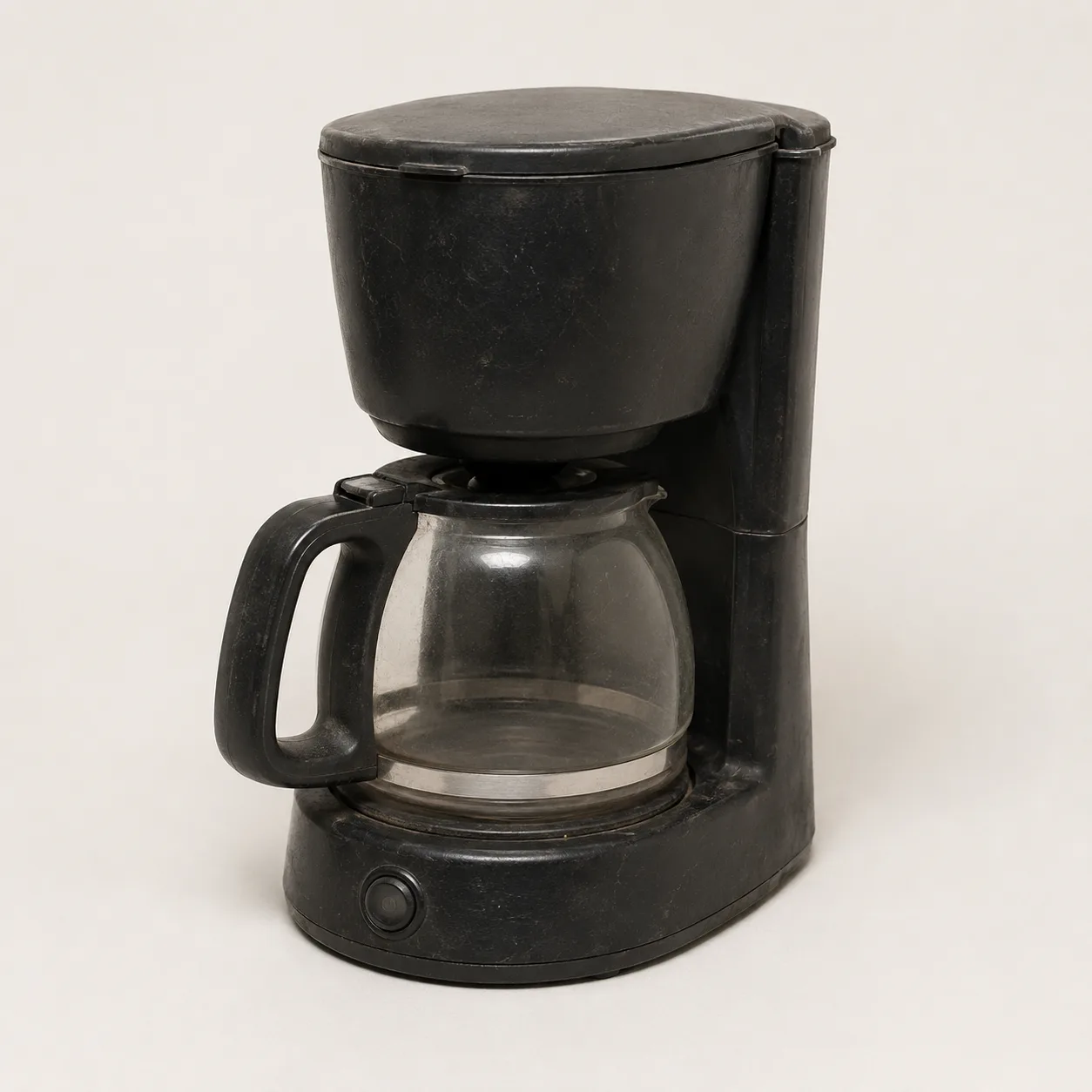
The coffee machine that became a movement
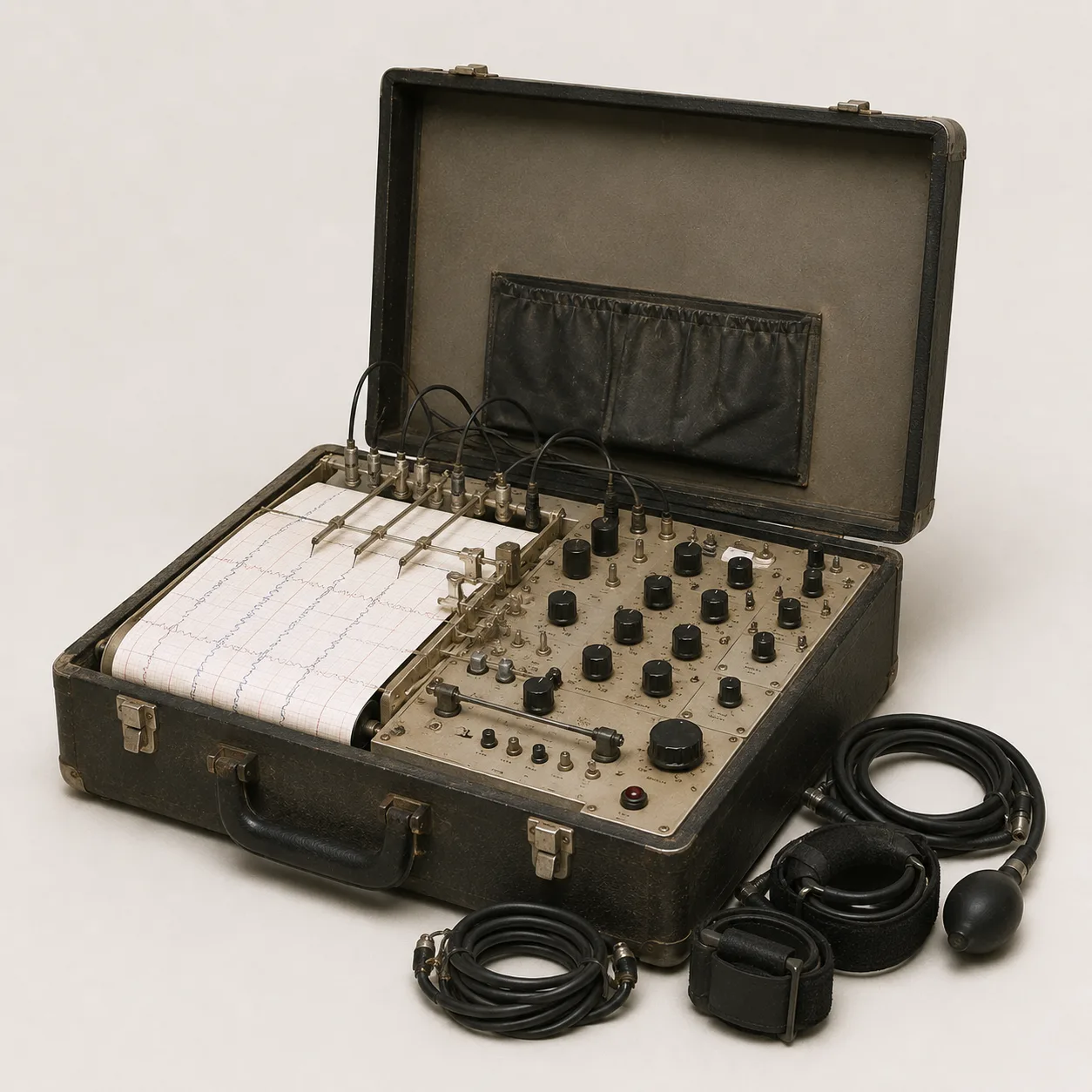
He was polygraphed over the theft of his own coffee machine - his self-described 'safe space' - on General Senona's instruction.
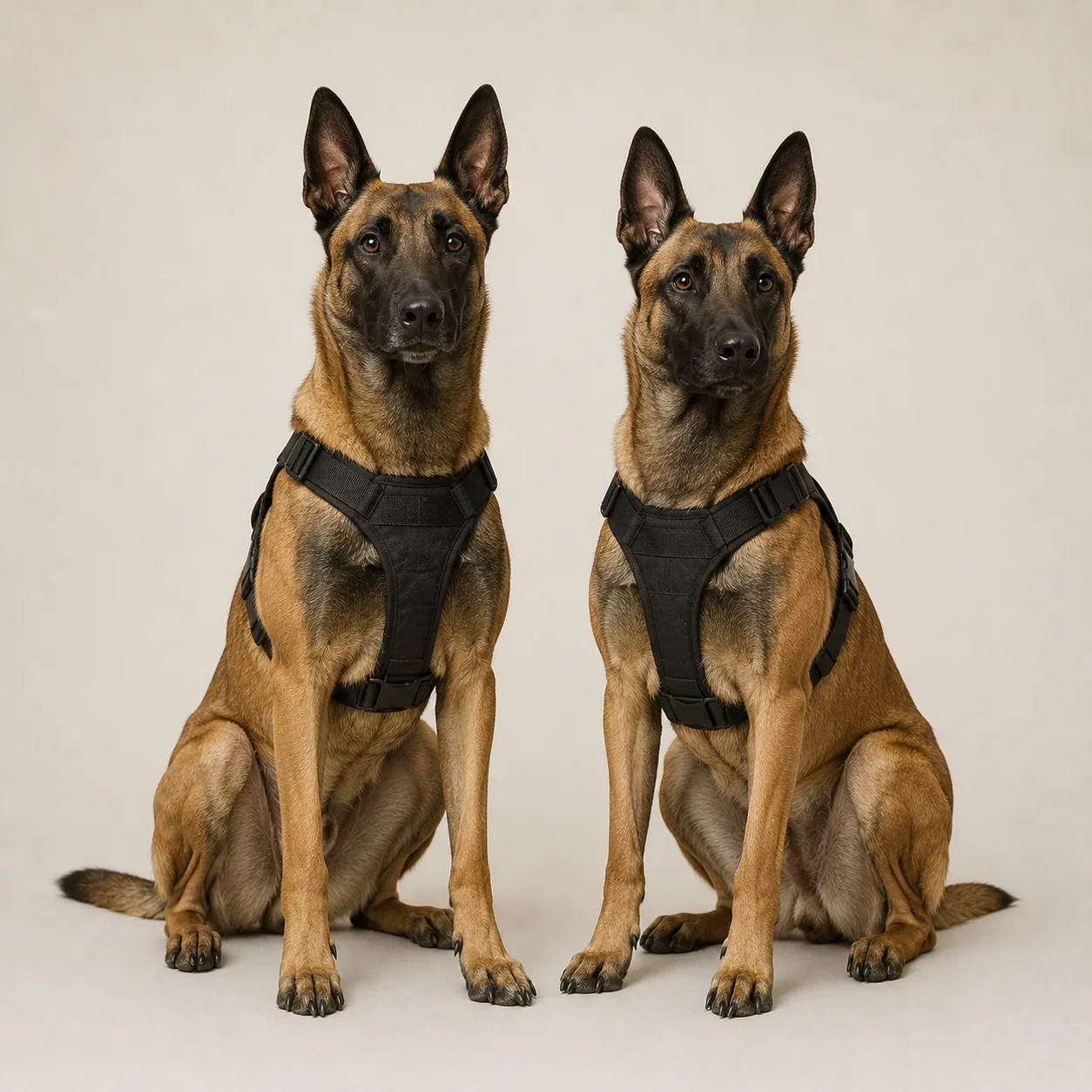
After his testimony a member of the public launched a fundraiser to replace it. A R5,000 goal passed R500,000 within days, with surplus funds pledged to the narcotics K9 unit. He passed that polygraph too; he never got the machine back.
“A syndicate has many toes”
Asked how he was 'stepping on toes', he described a supply chain that only works with corrupt insiders.
"There's toes to move a product, toes to ship it, toes that give legal advice, toes that possibly sit in the prosecution." Interrupting that chain, he said, is what made him a target.
Polygraph: failed, then exonerated
Told on his first day that deception was detected, he learned the next day the test had been ruled invalid.
A reviewer found the examiner had made serious errors; the test was voided so he was not prejudiced, and the examiner was barred from further tests. He broke down as he was told he had been cleared.
Cartel ties inside SAPS
He alleged that police and SARS officials are complicit in drug trafficking.
He said consignments are compromised at harbour control areas during unpacking, and that the suspects who stole the Port Shepstone cocaine are known and linked to DPCI management.
Forty years, never an accolade
Nearly four decades and tons of drugs recovered, yet never an award or nomination.
He recovered hauls by the ton - 200kg, 600kg, sometimes intercepted at sea before reaching Durban - but said he was never recognised, and has since applied for early retirement.
Retaliation and sidelining
He says leadership used a since-discredited allegation to move him to supply chain in 2024.
He named General Senona as the officer who signed his transfer letter of 13 February 2024, and noted Senona declined to take a polygraph himself. Cleared of the allegation, he was never returned to narcotics.