Madlanga Commission hearing record
Day 127 of the Madlanga Commission
Witness: Itumeleng 'Tumelo' Nku
Evidence led by Advocate Teboho Mosikili
Nku recasts himself as a cyber consultant and 'ethical hacker' paid by foreign intelligence, then wins a weekend adjournment to file a supplementary statement.
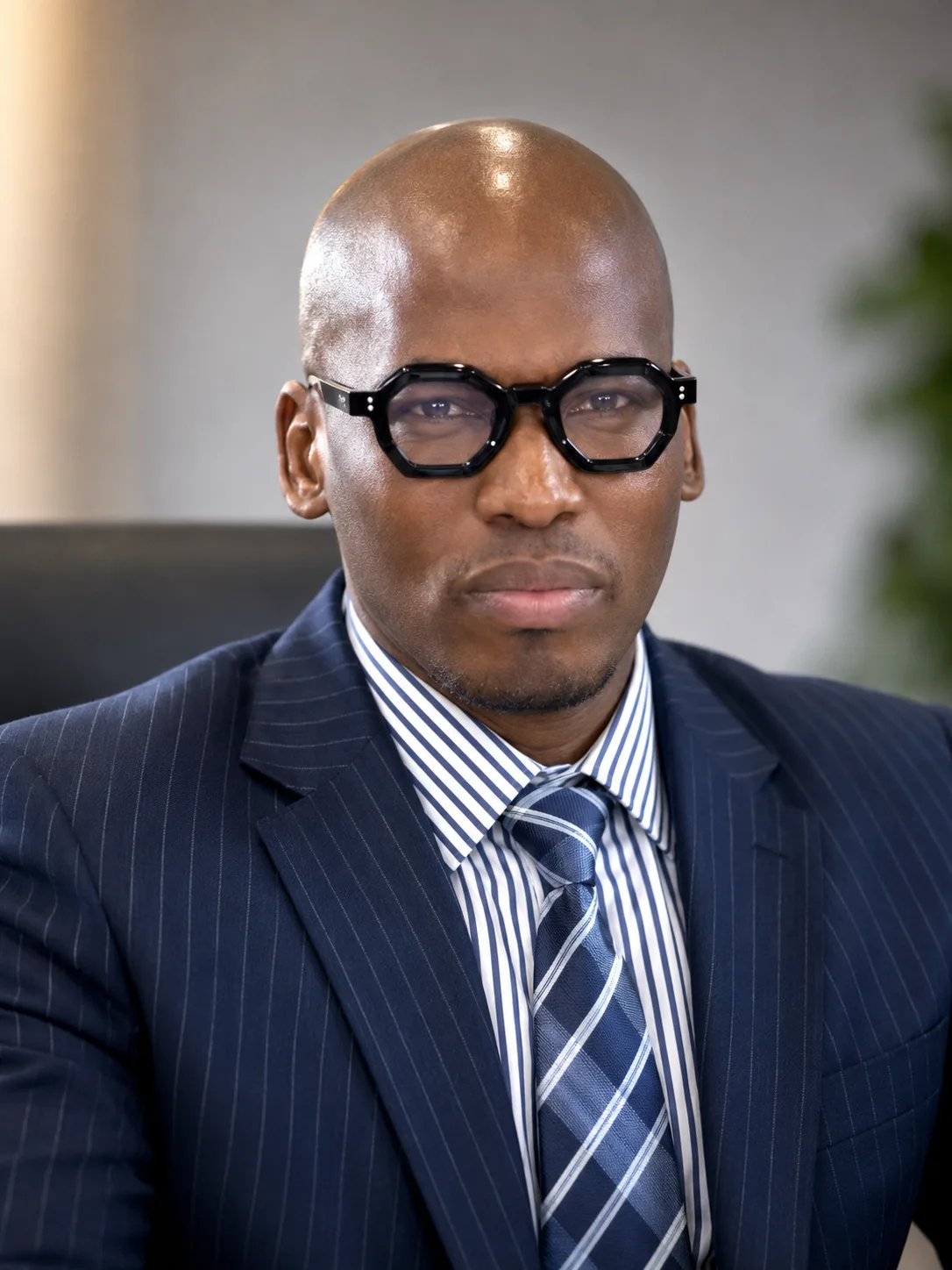
The day in brief
What you need to know
- Nku continued his testimony by describing himself as a consultant skilled in data analysis, 'ethical hacking', consignment and inventory management, and cyber-penetration testing.
- He told the commission he had consulted for and been paid by foreign intelligence agencies, while denying he had ever received payment from domestic intelligence services.
- Nku said he was 'still building rapport with law enforcement agencies', reinforcing the picture of a freelance operator moving between clients rather than a registered state asset.
- His account expanded to include admissions about accessing ICT systems to obtain information, sharpening the tension with his claim to be a lawful source.
- The day ended with his testimony postponed to Monday, 29 June 2026, after he asked for time to prepare a supplementary statement.
- The adjournment signalled that Nku's story, as told over two days, had not satisfied the commission and was about to change.
Full coverage
The day, in depth
A consultant's CV
Nku used the day to build out his professional identity, presenting himself as an entrepreneur proficient in data analysis, ethical hacking, consignment and inventory management, and cyber-penetration testing for various organisations. The self-portrait mattered because it offered an innocent frame for skills - accessing systems, tracking consignments - that could equally describe someone facilitating a drug shipment. Evidence leaders probed whether the consultancy was a genuine business or a cover story.
Paid by foreign intelligence
Nku told the commission he had been paid by intelligence agencies abroad for consultation work, but had never received payments from domestic intelligence agencies. He added that he was still building rapport with local law enforcement. The claim is striking and difficult to verify: foreign-intelligence payments would sit almost entirely outside the reach of South African records, leaving the commission with his word.
The adjournment
After two days that raised more questions than they answered, Nku requested time to prepare a supplementary statement, and the commission postponed his evidence to Monday, 29 June. Supplementary statements are a recognised mechanism, but seeking one mid-testimony, after a difficult cross-examination, invited scrutiny about whether the account was being revised to fit the evidence rather than the other way round.
In their words
Key moments from the record
“I have been paid by intelligence agencies abroad for the consultation work I have done. I have never received any payments from domestic intelligence agencies, but I'm still building rapport with law enforcement agencies.”
Our analysis
The bottom line
The consultant framing is a coherent narrative strategy: it takes the very capabilities that make Nku look like a trafficking facilitator - system access, consignment tracking, cyber skills - and rebrands them as legitimate professional services. Whether the commission accepts it depends on corroboration, and by his own account the most exotic parts of the story, the foreign-intelligence payments, are precisely the parts no South African body can check.
The request for a supplementary statement is the pivot of the whole chapter. A witness who asks to redraft his evidence after a hostile cross-examination is telling the commission, in effect, that the version already given will not hold. That is not proof of dishonesty - people do genuinely remember and reframe - but it lowers the weight a fair reader can place on any single iteration of Nku's account, and it set up the substantially changed story he would bring back on Day 128. He remains presumed innocent, and none of his claims have been tested against contrary witnesses under oath in open session.
Analysis is the archive’s own comment on the public proceedings, grounded in the record above. It weighs the evidence and the process; questions of individual guilt are for the courts and the commission to decide. Everyone named is presumed innocent.
On the record
Who testified this day
Follow the threads
Who Itumeleng 'Tumelo' Nku connects to
In the room & on the record
Counsel, the panel and sources
Evidence led by
On the panel
Sources
- IOL - 'I'm still building rapport with law enforcement agencies': Tumelo Nku reveals foreign intelligence payments (26 June 2026) ↗
- Sunday World - Police informant Tumelo Nku admits to hacking ICT systems to get information ↗
- IOL - LIVE | 'Secret informant' Tumelo Nku back at Madlanga Commission to explain mystery cash in Aeroton drug case (26 June 2026) ↗