Madlanga Commission hearing record
Day 128 of the Madlanga Commission
Witness: Itumeleng 'Tumelo' Nku
Evidence led by Advocate Mahlape Sello SC, Advocate Teboho Mosikili, Advocate Lee Segeels-Ncube
After a 'hard chat' with his spiritual leader, Nku returns with a wholly new story - a 'broader business scheme', a relative named Kebby Maphatsoe, a shadowy 'Alpha' and a bust that supposedly prevented a turf war - as Feroz Khan is shot the night before.
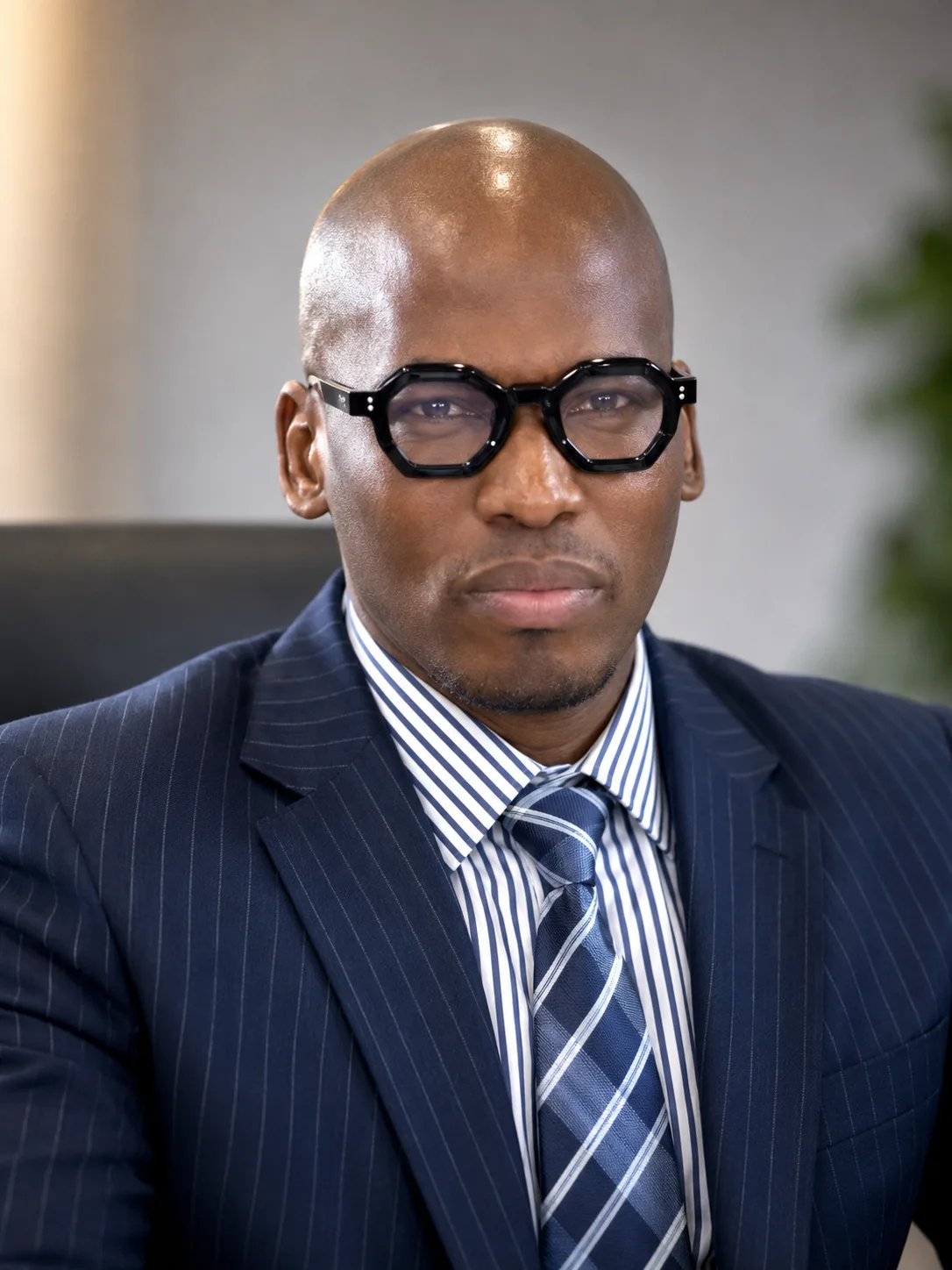
The day in brief
What you need to know
- Nku resumed his testimony with a substantially changed account, telling the commission a 'hard chat' with his spiritual leader, who urged him to be honest, had prompted his return.
- He now framed the 2021 Aeroton operation as part of a 'broader business scheme' rather than a simple informer tip-off.
- Nku said former deputy defence minister Kebby Maphatsoe, whom he described as a 'distant relative', had introduced him in 2021 to a man known only as 'Alpha'.
- He claimed that arranging the roughly R300 million bust had actually prevented a turf war by stopping the consignment from reaching a rival trafficker, since cocaine bricks carry syndicate labels.
- He also suggested Gauteng traffic chief Samuel Mashaba may have wanted to 'take' the cocaine, and admitted the R60,000 had been meant to pay for confidential Transnet truck-tracking information.
- Chairperson Madlanga voiced open frustration that, even with the extra weekend, Nku had still not come clean, while forensic investigator Paul O'Sullivan attended as the Aeroton probe wrapped up.
- The sitting fell the day after Crime Intelligence's Major-General Feroz Khan was shot in an attempted assassination in Johannesburg, days before his own scheduled appearance.
Full coverage
The day, in depth
A new story, and its trigger
The version Nku brought back on 29 June bore little resemblance to the informer account of the previous week. He told the commission that a candid conversation with his spiritual leader had urged him toward honesty, and recast the Aeroton consignment as part of a 'broader business scheme'. The reframing is significant precisely because it is a reframing: the same events now carried a different explanation, offered only after an adjournment secured to file a supplementary statement.
Maphatsoe, 'Alpha' and the turf-war theory
Nku said former deputy defence minister Kebby Maphatsoe, a distant relative, introduced him in 2021 to a man known as 'Alpha' who needed help moving a narcotics consignment tied to a rival trafficker. On Nku's telling, engineering the bust kept the drugs from Alpha's competitor and so averted a 'turf war', because cocaine bricks often bear labels linking them to specific syndicates. He also suggested Gauteng traffic chief Samuel Mashaba may have wanted to take the cocaine. All those named deny wrongdoing or have not answered the claims, which remain untested.
The cash, restated
Having earlier called the R60,000 travel money, Nku now told the commission it was meant to pay individuals for confidential Transnet truck-tracking information, naming a contact he said could provide access to Transnet's tracking system. The shift from innocent travel funds to money earmarked for buying illicit access is one of the clearest examples of how far his account moved between Day 126 and Day 128.
Khan shot; O'Sullivan waits
The hearing sat under the shadow of the previous night's shooting of Major-General Feroz Khan, the suspended Crime Intelligence figure, in an attempted assassination in Johannesburg two days before he was due to testify. Forensic investigator Paul O'Sullivan was present as the commission moved to close out the Aeroton drug-bust chapter, though the sequencing of testimony was affected by the fast-moving events around Khan.
In their words
Key moments from the record
“The Lord will take care of the rest”
Our analysis
The bottom line
A witness who returns after a weekend with a fundamentally different story hands a commission a hard problem: which version, if any, is true? Nku's turf-war narrative is internally vivid - labelled cocaine bricks, a rival syndicate, a relative-brokered introduction to 'Alpha' - but vividness is not corroboration, and the account conveniently recasts a man found at a drug scene with cash as the person who selflessly stopped the drugs reaching worse hands. Chairperson Madlanga's stated frustration that Nku had still not come clean is the tell: the bench was not persuaded that the new version was the last one.
Naming Kebby Maphatsoe, an unidentified 'Alpha' and Samuel Mashaba raises the stakes because these are serious, reputation-destroying allegations advanced by a witness whose own credibility is contested and whose story has already changed once under pressure. Fairness demands they be treated as exactly that - allegations, untested, with everyone named presumed innocent. The commission's task is not to adopt Nku's latest map of the scheme but to test it against the documentary and forensic record, including whatever Paul O'Sullivan's work adds.
The timing is impossible to ignore. Feroz Khan being shot the night before, on the eve of his own testimony, is a stark reminder that the matters this commission is examining sit close to real violence. That context does not prove any link to Nku's evidence, and the commission was careful to keep the two threads distinct, but it sharpened the atmosphere in which the Aeroton chapter was brought to a close.
Analysis is the archive’s own comment on the public proceedings, grounded in the record above. It weighs the evidence and the process; questions of individual guilt are for the courts and the commission to decide. Everyone named is presumed innocent.
On the record
Who testified this day
Follow the threads
Who Itumeleng 'Tumelo' Nku connects to
In the room & on the record
Counsel, the panel and sources
On the panel
Sources
- EWN - Tumelo Nku tells Madlanga Commission R300m Aeroton drug bust prevented turf war (29 June 2026) ↗
- IOL - Madlanga Commission hears claims linking Kebby Maphatsoe to alleged plot to cripple drug rival (29 June 2026) ↗
- TimesLive - 'The Lord will take care of the rest': Nku says spiritual leader urged his return to Madlanga commission (29 June 2026) ↗
- IOL - Nku admits R60k found at drug scene was meant for 'bribes' (29 June 2026) ↗
- Daily Maverick - Crime Intelligence's Feroz Khan shot in attempted assassination, police deploy 'maximum resources' (29 June 2026) ↗