Madlanga Commission hearing record
Day 124 of the Madlanga Commission
Witness: Witness K
Evidence led by Advocate Ofentse Motlhasedi
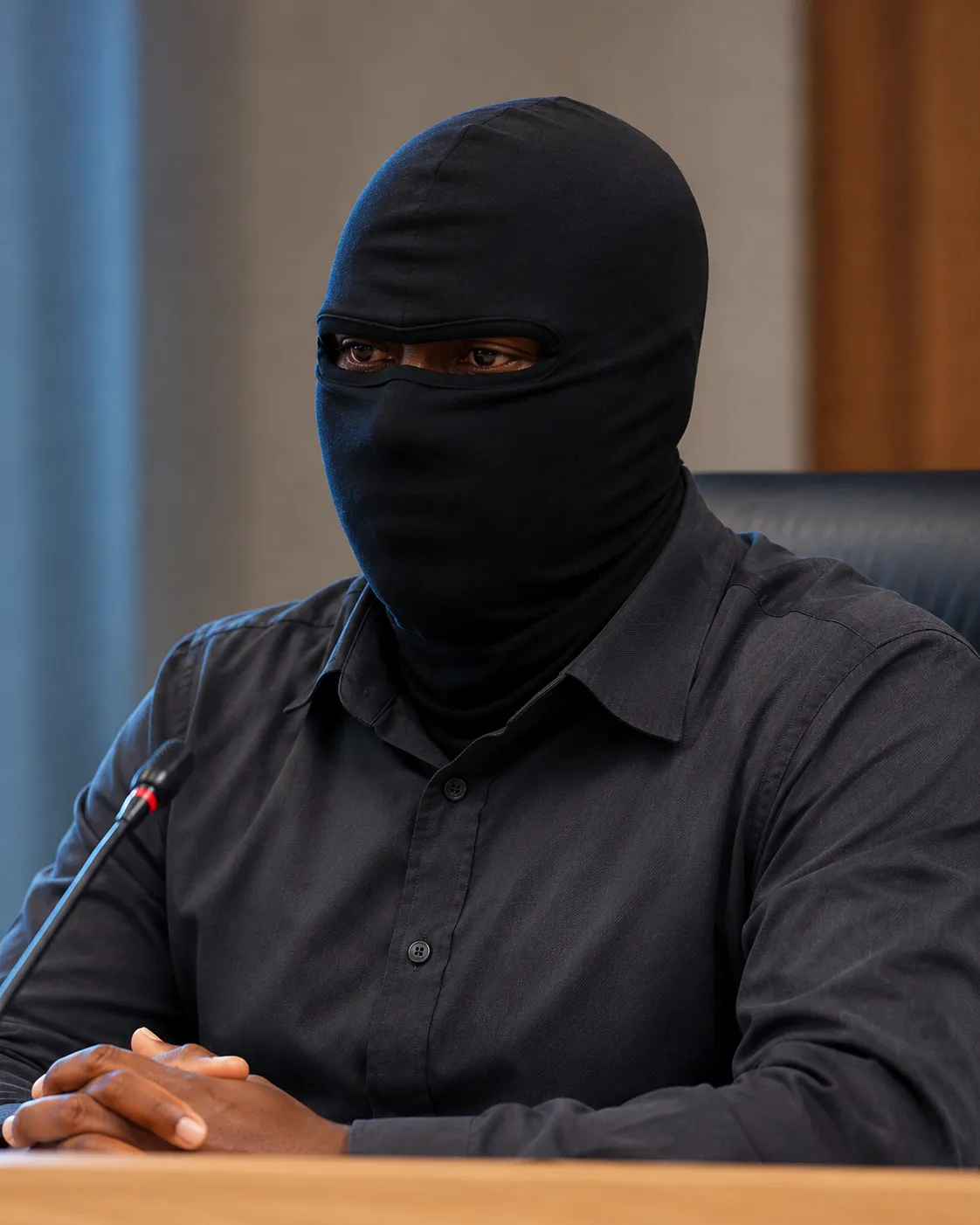
An anonymous JMPD inspector known only as 'Witness K' testifies in camera - voice broadcast, name and face hidden - and admits her own part in a staged raid that allegedly netted R14.9m in sugilite stones sold for a fraction of their worth.
The day in brief
What you need to know
- An inspector in the Johannesburg Metro Police Department's VIP Protection Unit testified as 'Witness K', in camera, with her voice broadcast but her name and image withheld after she said she feared for her life.
- She told the commission she had been in a romantic relationship with suspended EMPD deputy chief Julius Mkhwanazi and came forward to admit her own role in the alleged theft.
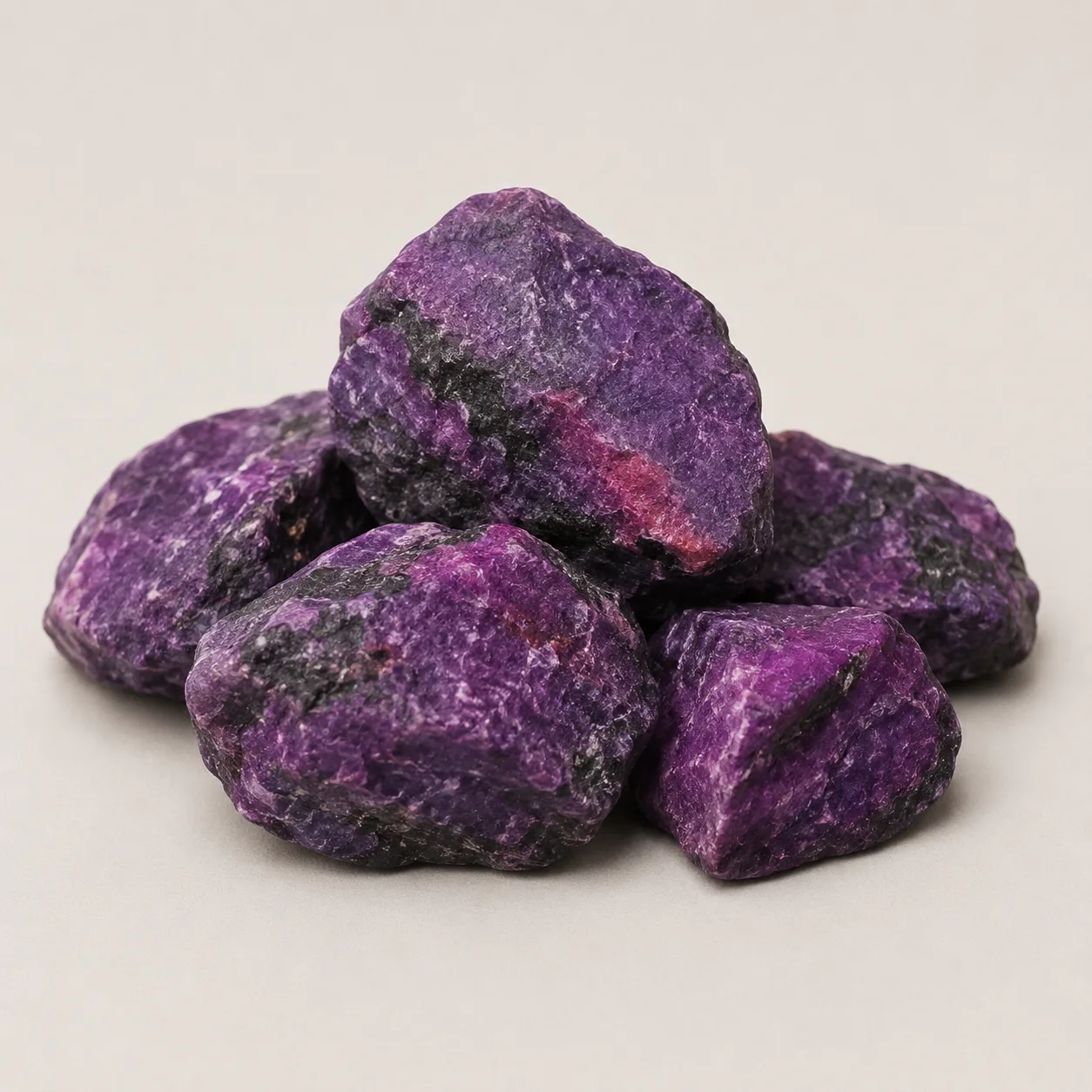
- The target was about R14.9m worth of sugilite stones held in a flat in Killarney, Johannesburg, taken on 11 February 2023.
- She said the plan was hatched at a Randhart restaurant meeting where Mkhwanazi introduced her to uniformed EMPD officers and a civilian who would carry out the raid.
- According to her account, the team used a falsified SAPS seizure form to dress the theft up as a lawful police operation.
- Though valued at R14.9m, the stones were allegedly sold for only about R110,000, split roughly R22,000 per participant, and only around R40,000 worth was later recovered.
- All allegations are untested and everyone she named, including Mkhwanazi, is presumed innocent.
Full coverage
The day, in depth
Testifying behind a screen
The witness, a JMPD VIP Protection Unit inspector, was granted leave to testify in camera: the public heard her voice, but her name and image were withheld after she told the commission she feared for her life. She framed her evidence as a confession of her own involvement rather than a bystander's account, which shapes how it must be weighed.
The Killarney target
Witness K said that after receiving an informer's tip she recalled information about illegal sugilite stones, worth about R14.9m, held at a block of flats in Killarney, Johannesburg. The stones were taken on 11 February 2023. She said she was in a relationship with Mkhwanazi at the time and that he was under financial strain.
A staged raid
The plan, she testified, was set at a meeting at a restaurant in Randhart, where Mkhwanazi introduced her to EMPD officers Kershia-Leigh Stols and Aiden McKenzie, who were in uniform, and to a civilian, Andy van der Walt. Mkhwanazi's role, she said, was to assemble the officers who would take the stones, and the team relied on a falsified SAPS seizure form so the operation would look lawful.
R14.9m sold for R110,000
By her account the stones, valued at R14.9m, were sold for only about R110,000. She described the proceeds being divided among the five participants, saying she handed over roughly R88,000 for the others and kept about R22,000 for herself. Only stones worth around R40,000 were later recovered, and two EMPD officers were arrested over the Killarney incident.
In their words
Key moments from the record
“I kept the R22,000 for myself.”
“He didn't pay me back.”
Our analysis
The bottom line
Witness K is the most powerful kind of witness and the most legally fraught: a self-confessed accomplice describing a crime from the inside. Her detail, the Randhart meeting, the uniforms, the falsified seizure form, the exact split, is granular in a way that is hard to invent, but accomplice evidence classically carries a credibility discount because a participant has her own exposure and her own motives. The commission will have to weigh it accordingly.
If tested and proven, the allegation is grave beyond the theft itself: using a fake SAPS seizure form turns ordinary crime into the corruption of policing power, which is the very thing this commission exists to examine. The chasm between a R14.9m valuation and a R110,000 sale is a striking, almost self-incriminating detail, and the later recovery of only about R40,000 worth underscores how little was accounted for.
Nothing here is a finding, and the in-camera format is a deliberate compromise between protecting a frightened witness and the open-justice principle that names and faces are normally public. The real test comes next: those she implicated, above all Mkhwanazi, are entitled to answer, and the value of her account will be measured against how it holds up when they do.
Analysis is the archive’s own comment on the public proceedings, grounded in the record above. It weighs the evidence and the process; questions of individual guilt are for the courts and the commission to decide. Everyone named is presumed innocent.
On the record
Who testified this day
Follow the threads
Who Witness K connects to
Superintendent Elmarie de Beer
On Day 173, 15 September 2026, Superintendent Elmarie de Beer told the commission that JMPD officers use unofficial informants to find businesses holding cash or precious metals and then intercept the goods - structurally the method Witness K described in the Killarney matter. Neither account has been tested.
View profile →Alleged mastermind / former partnerJulius Mkhwanazi
She testified she had been in a romantic relationship with the suspended EMPD deputy chief and that he orchestrated the alleged Killarney precious-stones theft. Untested allegations; both presumed innocent.
View profile →Exhibits
Objects from this testimony
From the official record
Documents issued for this day
In the room & on the record
Counsel, the panel and sources
Evidence led by
On the panel
Sources
- Mail & Guardian - EMPD deputy chief Julius Mkhwanazi orchestrated a staged raid for precious stones, Witness K says (23 June 2026) ↗
- IOL - How EMPD's Mkhwanazi and team 'stole' precious stones and pocketed R110,000 for minerals worth R14.9 million (23 June 2026) ↗
- eNCA - Witness K implicates Julius Mkhwanazi in precious stones theft (23 June 2026) ↗
- EWN - Madlanga Commission hears of Mkhwanazi's links to theft of precious stones worth R14m (23 June 2026) ↗
- The Citizen - 'He didn't pay me back': Mkhwanazi's 'ex' claims EMPD chief always asked her for money (23 June 2026) ↗